
First published: Mar 26, 2023
Last updated: September 27, 2026
Written and source -checked by: Adel Galal, Founder and Lead Writer at NextFitLife
Medical review status: Educational health content. This article has not been medically reviewed by a hepatologist, infectious disease specialist, doctor, pharmacist, or registered dietitian.
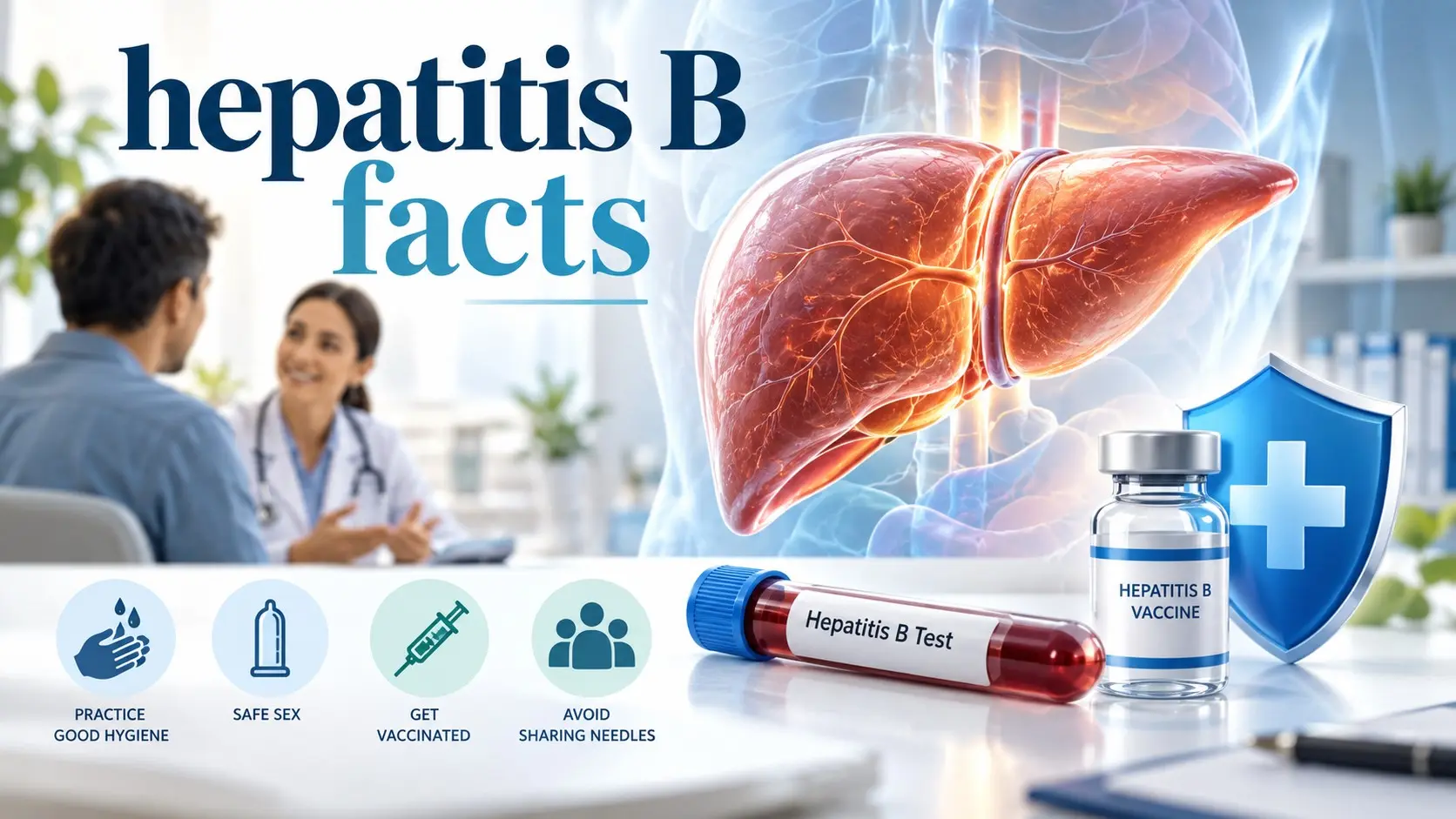
Hepatitis B is a liver infection caused by the hepatitis B virus, or HBV. Some people clear the infection within months. Others develop chronic hepatitis B, which can quietly damage the liver for years.
The most important fact is simple: hepatitis B can often be prevented, detected with blood tests, and treated when treatment is needed.
Quick answer: Hepatitis B spreads mainly through infected blood, semen, childbirth, and certain body fluid exposures. Many people have no symptoms. A vaccine can prevent infection, while chronic hepatitis B can be controlled with antiviral medicine and regular monitoring. Testing matters because untreated chronic HBV can lead to cirrhosis, liver failure, and liver cancer.
There is also a major difference between hepatitis B and hepatitis C.
Modern hepatitis C treatment usually cures the infection. Current hepatitis B treatment is very good at suppressing the virus and reducing liver damage, but it does not routinely remove every trace of HBV from the body.
Medical notice: This content is for general educational purposes and does not replace professional medical advice, diagnosis, or treatment. Consult an appropriately qualified healthcare professional for personal medical concerns. This article explains published guidance and does not provide a personal clinical assessment. Always consult qualified medical professionals for diagnosis and treatment of any health condition.
Table of Contents
- What hepatitis B really is
- 19 essential hepatitis B facts
- How HBV spreads
- What does not spread hepatitis B
- Acute versus chronic hepatitis B
- Symptoms to know
- The hepatitis B triple panel
- HBV DNA and liver tests
- Who needs treatment
- Current antiviral medicines
- What functional cure means
- HBV reactivation
- Pregnancy and newborn protection
- Vaccination
- Hepatitis D
- Liver cancer surveillance
- Food, alcohol, and supplements
- References and Sources
- Related NextFitLife guides
- About the author
- Frequently asked questions
What Is Hepatitis B?
Hepatitis B is an infection of the liver caused by HBV.
The infection can be acute or chronic.
An acute infection starts after exposure and lasts for a limited period. Most healthy adults clear acute HBV without developing lifelong infection.
Chronic infection means the virus remains in the body for at least six months.
Long term HBV can cause inflammation and scarring. Over time, this can lead to liver fibrosis, cirrhosis, liver failure, and hepatocellular carcinoma, the main form of primary liver cancer.
19 Essential Hepatitis B Facts
1. Hepatitis B Remains a Major Global Health Problem
Hepatitis B is not a rare disease.
The World Health Organization estimated that about 240 million people were living with chronic hepatitis B in 2024. WHO also estimated about 900,000 new infections each year and about 1.1 million hepatitis B related deaths in 2024.
Most of those deaths were linked with cirrhosis and liver cancer.
Those numbers explain why vaccination, testing, and treatment remain important even when a person feels healthy.
2. HBV Spreads Through Blood and Certain Body Fluids
The hepatitis B virus is found at high levels in infected blood.
It can spread through:
- Childbirth
- Sexual contact
- Sharing needles or syringes
- Needlestick injuries
- Unsterile tattoo equipment
- Unsterile piercing equipment
- Sharing razors when blood is present
- Sharing toothbrushes contaminated with blood
- Unsafe medical equipment
HBV can remain infectious on surfaces for days, which is another reason blood spills should be cleaned safely.
3. You Do Not Get Hepatitis B From Normal Casual Contact
HBV is infectious, but ordinary social contact is not how it usually spreads.
You do not catch hepatitis B by:
- Hugging someone
- Shaking hands
- Coughing
- Sneezing
- Sitting beside someone
- Sharing a normal conversation
- Eating food prepared by someone with chronic HBV
People living with hepatitis B should not be treated as dangerous to be around.
The useful precautions focus on blood, sexual exposure, vaccination, testing, and safe medical or personal equipment.
4. Most People With Chronic HBV Have No Symptoms
This is one of the most important hepatitis B facts.
You can have chronic hepatitis B and feel completely well.
Some people do not develop clear symptoms until liver damage is advanced.
This is why symptom based testing misses infections.
A normal day at work, normal appetite, or lack of pain does not prove that HBV is absent.
5. Acute Hepatitis B Can Cause Clear Symptoms
When symptoms appear, they can include:
- Fatigue
- Loss of appetite
- Nausea
- Vomiting
- Fever
- Joint pain
- Abdominal pain
- Dark urine
- Pale or clay colored stool
- Jaundice, which means yellow skin or eyes
Symptoms often begin weeks or months after exposure.
These signs cannot confirm hepatitis B because other liver diseases can cause similar symptoms.
6. Age at Infection Strongly Affects the Risk of Chronic Disease
A baby infected around birth has a much higher risk of developing chronic hepatitis B than an adult infected later in life.
WHO reports that infection acquired in adulthood becomes chronic in fewer than 5% of cases, while infection during infancy and early childhood can become chronic in about 95% of cases.
This is why preventing infection at birth is so important.
7. Acute and Chronic Hepatitis B Need Different Thinking
| Feature | Acute Hepatitis B | Chronic Hepatitis B |
|---|---|---|
| Duration | Early infection lasting less than six months | HBV remains for six months or longer |
| Symptoms | May cause jaundice, fatigue, nausea, and dark urine | Often silent for years |
| Main treatment | Usually supportive care | Monitoring and antiviral treatment when indicated |
| Long term risk | Most healthy adults recover | Can lead to cirrhosis and liver cancer |
Severe acute hepatitis B can rarely cause acute liver failure and require hospital care.
8. Every Adult Should Understand Hepatitis B Screening
In the United States, CDC recommends that all adults age 18 and older receive hepatitis B testing at least once in their lifetime.
People with ongoing risk may need repeat testing.
Pregnant patients should be screened during each pregnancy.
WHO uses population and risk based testing approaches around the world. In areas where hepatitis B is common, WHO recommends broad access to HBsAg testing as well as targeted testing for higher risk groups.
9. The Triple Panel Gives More Information Than One HBV Test
For an adult being screened for the first time, CDC recommends a hepatitis B triple panel.
It includes three blood markers.
| Marker | Simple Meaning |
|---|---|
| HBsAg | Hepatitis B surface antigen. A positive result usually means current HBV infection. |
| Anti HBs | Surface antibody. This can show immunity after vaccination or recovery from infection. |
| Total anti HBc | Core antibody. This usually means natural exposure to HBV at some point. The vaccine alone does not create anti HBc. |
The three results together tell far more than one test alone.
10. HBV DNA Tells You About Viral Activity
If someone has current hepatitis B infection, a clinician may order an HBV DNA test.
This measures the amount of viral genetic material in the blood.
It helps answer questions such as:
- How active is the infection?
- Does treatment need to be considered?
- Is treatment suppressing the virus?
- Is pregnancy associated transmission risk high?
HBV DNA does not replace liver assessment.
A viral load tells you about virus activity. It does not by itself tell you exactly how much scar tissue is in the liver.
11. Liver Enzymes and Fibrosis Tests Add the Missing Context
Clinicians often look at ALT and AST along with HBV DNA.
They may also use:
- Platelet count
- Bilirubin
- Albumin
- INR
- FIB 4
- APRI
- Ultrasound
- Transient elastography
Elastography estimates liver stiffness and can help assess fibrosis.
A liver biopsy is sometimes useful, but modern care often uses noninvasive tests first.
12. Not Everyone With Chronic Hepatitis B Needs Medicine Today
This is an important difference between having HBV and needing antiviral treatment.
Some people have chronic infection with little current liver injury and low viral activity.
They may need careful monitoring rather than immediate medicine.
Others benefit from starting treatment because of factors such as:
- Cirrhosis
- Significant fibrosis
- Active liver inflammation
- High HBV DNA
- Age and disease phase
- Pregnancy transmission risk
- Coinfection
- Certain high risk clinical situations
The 2025 AASLD guideline also gives more attention to people in an indeterminate phase and to some adults over age 40 who previously might have been observed longer.
13. Current Antiviral Treatment Is Very Effective at Suppressing HBV
Preferred oral medicines in current AASLD guidance include:
- Tenofovir disoproxil fumarate
- Tenofovir alafenamide
- Entecavir
These medicines can reduce the amount of virus in the blood to very low or undetectable levels.
Good viral suppression lowers the risk of:
- Ongoing liver damage
- Fibrosis progression
- Cirrhosis
- Liver failure
- Liver cancer
Do not stop an HBV antiviral on your own.
The virus can rebound and cause a serious liver flare.
14. Hepatitis B Is Usually Controlled Rather Than Fully Eradicated
Current oral treatment does not routinely cure chronic hepatitis B in the same way modern medicine cures most hepatitis C infections.
HBV can leave stable viral DNA inside liver cells.
This helps explain why the infection can return if treatment is stopped too early or immune control changes.
Doctors sometimes use the term functional cure.
This usually refers to loss of hepatitis B surface antigen, or HBsAg, with durable control of the infection.
HBsAg loss is possible, but it is still uncommon with current oral treatment.
15. Hepatitis B Can Reactivate Years Later
HBV reactivation is another fact many general articles miss.
A person can have past or controlled hepatitis B and later have the virus become active again when the immune system is strongly suppressed.
Risk can rise with:
- Certain cancer chemotherapy
- Some medicines that target B cells
- Organ transplantation
- Bone marrow transplantation
- Some high dose steroid treatment
- Other strong immune suppressing medicines
- Stopping certain HIV medicines that also control HBV
This is why a history of hepatitis B matters before cancer treatment or strong immune suppressing therapy.
Tell every healthcare team about past HBV results, even if you were told the infection had resolved.
16. Pregnancy Is One of the Most Preventable HBV Transmission Settings
Hepatitis B in pregnancy needs careful planning because HBV can pass to the baby during delivery.
Pregnant people with HBsAg positive results should have HBV DNA measured.
Current AASLD guidance recommends tenofovir disoproxil fumarate or tenofovir alafenamide starting around week 28 when HBV DNA is above 200,000 IU/mL, if treatment is being used to prevent transmission.
Tenofovir disoproxil fumarate has the longer pregnancy safety record.
For an infant born to someone with active hepatitis B, rapid newborn protection is essential.
In the United States, this includes:
- Hepatitis B vaccine within 12 hours of birth
- Hepatitis B immune globulin, called HBIG, within 12 hours of birth
- Completion of the vaccine series
- Follow up blood testing to confirm protection and exclude infection
WHO also makes prevention of mother to child transmission and timely birth vaccination core parts of global HBV prevention.
17. Vaccination Prevents Infection, but It Does Not Treat Existing HBV
The hepatitis B vaccine is one of the strongest tools against HBV.
It teaches the immune system to recognize hepatitis B surface antigen before infection occurs.
It does not kill an infection that is already established.
Important correction: If someone already has hepatitis B, vaccination does not reduce the severity of that existing infection and does not cure it. The vaccine is for prevention.
WHO recommends a timely hepatitis B birth dose as soon as possible after birth, ideally within 24 hours, followed by completion of the infant series.
In the United States, vaccination is also routinely recommended for adults age 19 through 59 and for older adults with HBV risk factors. Older adults who want protection can also receive the vaccine.
18. Hepatitis D Can Only Infect Someone Who Has Hepatitis B
Hepatitis D is caused by HDV.
It cannot complete its life cycle without hepatitis B.
This matters because chronic HBV and HDV together can cause faster and more severe liver disease than HBV alone.
WHO now supports anti HDV testing for all HBsAg positive people where this approach is practical. If universal testing is not available, priority groups include people from places where HDV is common, people with advanced liver disease, and people whose ALT is high despite relatively low HBV DNA.
The hepatitis B vaccine also prevents hepatitis D because HDV cannot establish infection without HBV.
19. Liver Cancer Risk Can Continue Even When HBV Is Quiet
Chronic hepatitis B is unusual because liver cancer can occur even before cirrhosis develops.
This means some people need regular hepatocellular carcinoma surveillance even when liver scarring is not yet advanced.
Current AASLD guidance recommends surveillance for everyone with HBV and cirrhosis and for selected higher risk groups without cirrhosis.
These groups can include:
- Men from endemic regions over age 40
- Women from endemic regions over age 50
- People from Africa at an earlier age based on risk assessment
- People with a family history of hepatocellular carcinoma
- Selected people with a high PAGE B risk score
- People with hepatitis B and hepatitis D coinfection
- Selected people with HBV and HIV coinfection
Surveillance is commonly performed with liver ultrasound and alpha fetoprotein about every six months when indicated.
What Do Common Hepatitis B Test Patterns Mean?
This table gives a simple overview. A clinician should interpret unusual or conflicting results.
| HBsAg | Anti HBs | Total Anti HBc | Common Interpretation |
|---|---|---|---|
| Negative | Negative | Negative | Susceptible if no other evidence of immunity exists |
| Negative | Positive | Negative | Usually immune because of vaccination |
| Negative | Positive | Positive | Usually past infection with recovery and immunity |
| Positive | Negative | Positive | Current infection. More tests are needed to determine acute or chronic status. |
An isolated positive anti HBc result can have several possible explanations, so it should not be interpreted from a simple chart alone.
Who Should Be Tested More Often?
Repeat or risk based testing may be appropriate for people with ongoing exposure or higher risk.
Examples include:
- Household contacts of someone with hepatitis B
- Sex partners of someone with hepatitis B
- People who inject drugs
- People receiving dialysis
- People with HIV
- People with hepatitis C
- People with abnormal liver tests
- Healthcare or public safety workers with blood exposure risk
- People born in places where hepatitis B is common
- People in prisons or other closed settings
- People starting strong immune suppressing treatment
Testing recommendations vary by country, so local public health guidance also matters.
What Should Household Members and Partners Do?
If one person has hepatitis B, there is no reason for the household to panic.
Household and sexual contacts should be tested.
If they are susceptible, vaccination can protect them.
A person with HBV should also:
- Cover open cuts
- Clean blood spills safely
- Not share razors
- Not share toothbrushes
- Not share injection equipment
- Use appropriate protection with partners who are not immune
- Tell medical and dental professionals about the infection
You do not need separate plates, forks, toilets, or normal household spaces.
Can Hepatitis B Turn Into Hepatitis C?
No.
HBV and HCV are different viruses.
Hepatitis B does not slowly change into hepatitis C.
A person can have both infections if they are exposed to both viruses, but one does not transform into the other.
For more on HCV, read the NextFitLife Hepatitis C Complications Guide.
Can Hepatitis B Cause Cirrhosis?
Yes.
Years of liver inflammation can create scar tissue.
Early scarring is called fibrosis.
Advanced widespread scarring is called cirrhosis.
Cirrhosis can lead to:
- Portal hypertension
- Ascites
- Internal bleeding from enlarged veins
- Hepatic encephalopathy
- Liver failure
- Liver cancer
Antiviral treatment can greatly lower the chance of these problems in people who need treatment.
Can Hepatitis B Cause Liver Cancer Without Cirrhosis?
Yes.
This is one reason chronic HBV is different from many other chronic liver diseases.
Cirrhosis raises the risk greatly, but HBV itself can increase hepatocellular carcinoma risk even before cirrhosis is present.
That is why liver cancer surveillance is based on the full risk profile rather than cirrhosis alone.
What Should You Eat if You Have Chronic Hepatitis B?
There is no special food that clears HBV from liver cells.
A balanced diet can still support general liver and metabolic health.
A practical pattern can include:
- Vegetables
- Whole fruit
- Whole grains
- Beans and lentils
- Fish
- Eggs
- Poultry
- Tofu
- Plain dairy when suitable
- Nuts
- Seeds
- Unsaturated fats
People with cirrhosis, ascites, diabetes, kidney disease, poor appetite, or muscle loss may need a different nutrition plan.
For broader nutrition guidance, visit the NextFitLife Nutrition and Vitamins Hub.
What About Alcohol?
Alcohol can add another source of liver injury.
If you have chronic hepatitis B, ask your healthcare professional what alcohol advice fits your liver condition.
Avoiding alcohol becomes especially important when liver damage or cirrhosis is present.
If you drink heavily every day and may have physical dependence, do not suddenly stop without medical advice because alcohol withdrawal can be dangerous.
Can Herbal Liver Products Treat Hepatitis B?
No herbal tea, detox drink, supplement, or cleanse has been proven to remove chronic HBV from the body.
Some products sold for liver health can themselves damage the liver.
They can also interact with antiviral medicine and other prescriptions.
Tell your healthcare professional about every product you take, including:
- Vitamins
- Herbs
- Bodybuilding supplements
- Weight loss supplements
- Detox products
- Traditional remedies
Natural does not automatically mean safe.
When Is Hepatitis B an Emergency?
Most chronic HBV does not cause a sudden emergency.
But serious liver problems can occur.
Seek urgent medical care for:
- New severe jaundice
- New confusion
- Extreme sleepiness
- Vomiting blood
- Black tar like stool
- Severe abdominal swelling
- Severe abdominal pain
- Repeated vomiting
- Fainting
- Unusual or heavy bleeding
- Rapidly worsening weakness
Acute liver failure and complications of advanced cirrhosis need immediate medical care.
What Needed Correcting From the Old Hepatitis B Article?
The older page had useful basic ideas, but several points needed updating.
- The vaccine does not treat an infection that already exists. It prevents infection in people who are susceptible.
- Chronic hepatitis B is not routinely cured with current tablets. Treatment usually suppresses HBV and reduces complications.
- Testing is broader now. CDC recommends one time adult screening with a triple panel.
- HBV DNA matters. A simple positive or negative antibody test is not enough for chronic disease management.
- Pregnancy treatment has changed. Current AASLD guidance includes TDF or TAF for high maternal viral load starting around week 28.
- HBV reactivation deserves attention. Past infection can become clinically active during strong immune suppression.
- Hepatitis D should not be ignored. WHO now supports broader HDV testing among HBsAg positive people.
- Liver cancer surveillance is risk based. Some people with HBV need surveillance even without cirrhosis.
Conclusion
The most useful hepatitis B facts are the ones that change what you do next. HBV can be silent, but a blood test can find it. Vaccination can prevent it. Modern antiviral treatment can suppress chronic infection and sharply reduce liver damage, and careful follow up can find cirrhosis or liver cancer earlier.
Check your hepatitis B vaccination and testing status. If you already have HBV, ask what your HBsAg, HBV DNA, ALT, fibrosis level, hepatitis D status, and liver cancer surveillance plan mean for you. Clear answers to those questions are far more useful than waiting for symptoms.
References and Sources
The medical information in this article was checked against current hepatitis B guidance and public health sources available in September 2026.
- World Health Organization.
Hepatitis B Fact Sheet.
Updated July 28, 2026.
Used for global burden, transmission, chronic infection risk by age, symptoms, vaccination, treatment, and prevention.
URL:
https://www.who.int/news-room/fact-sheets/detail/hepatitis-b
- World Health Organization.
Consolidated Guidance on Hepatitis B and C Prevention, Testing, Treatment, Service Delivery and Monitoring.
Published February 15, 2026.
Used for current global HBV prevention, testing, simplified treatment, birth dose vaccination, mother to child transmission prevention, and hepatitis D testing strategy.
URL:
https://www.who.int/publications/i/item/9789240119529
- Centers for Disease Control and Prevention.
Clinical Overview of Hepatitis B.
Used for transmission, chronic infection risk, reactivation, U.S. screening recommendations, complications, and prevention.
URL:
https://www.cdc.gov/hepatitis-b/hcp/clinical-overview/
- Centers for Disease Control and Prevention.
Clinical Testing and Diagnosis for Hepatitis B.
Used for the hepatitis B triple panel, HBsAg, anti HBs, total anti HBc, and interpretation of common screening patterns.
URL:
https://www.cdc.gov/hepatitis-b/hcp/diagnosis-testing/index.html
- American Association for the Study of Liver Diseases and Infectious Diseases Society of America.
2025 Practice Guideline on Treatment of Chronic Hepatitis B.
Used for current antiviral treatment, treatment decisions, pregnancy care, functional cure, treatment stopping principles, and liver cancer surveillance.
URL:
https://www.aasld.org/practice-guidelines/hepatitis-b
- National Institute of Diabetes and Digestive and Kidney Diseases.
Hepatitis B.
Used for symptoms, acute and chronic disease, liver complications, testing, treatment, reactivation, and liver health guidance.
URL:
https://www.niddk.nih.gov/health-information/liver-disease/viral-hepatitis/hepatitis-b
Continue With NextFitLife Liver and Health Guides
Use these related guides to understand other hepatitis types, liver damage, metabolic liver disease, food, supplements, and preventive health.
Hepatitis and Liver Health
- Hepatitis Causes, Symptoms, Treatment, and Prevention
- Hepatitis C Complications
- Fatty Liver Disease Treatments
Nutrition and Safer Lifestyle Choices
About the Author
Adel Galal is the founder and lead writer of NextFitLife. He researches and writes about health, nutrition, fitness, liver health, digestive health, healthy aging, and practical preventive care.
His approach is to compare current medical and public health guidance, identify outdated health claims, and explain the useful evidence in simple language.
For hepatitis content, that means separating prevention from treatment, explaining what blood tests actually mean, and making clear when a person needs monitoring even though they feel well.
This content is for general educational purposes and does not replace professional medical advice, diagnosis, or treatment. Consult an appropriately qualified healthcare professional for personal medical concerns. This article explains published guidance and does not provide a personal clinical assessment. Always consult qualified medical professionals for diagnosis and treatment of any health condition.
Learn more about Adel Galal and NextFitLife on the NextFitLife About Us page.
Frequently Asked Questions About Hepatitis B
What is hepatitis B?
Hepatitis B is a liver infection caused by the hepatitis B virus. It can be acute and clear within months, or it can become a chronic infection that lasts for years.
How does hepatitis B spread?
HBV spreads through infected blood and certain body fluids. Common routes include childbirth, sexual contact, shared injection equipment, unsafe needles, and contaminated sharp instruments.
Can you get hepatitis B from hugging or sharing food?
No. Hepatitis B is not normally spread by hugging, shaking hands, coughing, sneezing, or sharing ordinary meals and utensils.
Can you have hepatitis B without symptoms?
Yes. Most people with chronic hepatitis B have no symptoms for long periods. Blood testing is needed to know whether infection is present.
What are the main hepatitis B symptoms?
Symptoms can include fatigue, nausea, vomiting, poor appetite, abdominal pain, joint pain, dark urine, pale stool, fever, and jaundice. Many people have no symptoms.
What is the hepatitis B triple panel?
The CDC triple panel includes HBsAg, anti HBs, and total anti HBc. Together, these tests can help show current infection, past infection, vaccine immunity, or susceptibility.
What does a positive HBsAg result mean?
A positive hepatitis B surface antigen result usually means current hepatitis B infection. More testing is needed to determine whether it is acute or chronic and how active the infection is.
What does HBV DNA measure?
HBV DNA measures the amount of hepatitis B viral genetic material in the blood. It helps clinicians assess viral activity and make treatment and pregnancy decisions.
Can hepatitis B be cured?
Current oral antivirals can suppress chronic hepatitis B very effectively but do not routinely eradicate the infection. Loss of HBsAg is sometimes called functional cure and remains uncommon.
What medicines treat chronic hepatitis B?
Current preferred oral options include tenofovir disoproxil fumarate, tenofovir alafenamide, and entecavir. The best choice depends on liver disease, kidney and bone health, pregnancy, other medicines, and individual clinical factors.
Does everyone with chronic hepatitis B need medicine?
No. Some people need monitoring without immediate antiviral treatment. Treatment decisions use HBV DNA, ALT, fibrosis, cirrhosis, age, pregnancy, disease phase, coinfections, and other risk factors.
Does the hepatitis B vaccine cure existing infection?
No. The vaccine prevents hepatitis B in people who are susceptible. It does not cure an infection that is already present and does not replace treatment or monitoring.
Can hepatitis B reactivate after years?
Yes. HBV can reactivate during strong immune suppression, including some cancer treatments, transplant medicines, high dose steroids, and other immune therapies. Past hepatitis B test results should be shared with the treating team.
Can hepatitis B pass from mother to baby?
Yes, mainly during childbirth. Screening in pregnancy, maternal antiviral treatment when viral load is high, and prompt newborn vaccination with HBIG when indicated can greatly reduce the risk.
What is hepatitis D?
Hepatitis D is another viral infection that can only occur in someone who also has hepatitis B. HBV and HDV together can cause faster liver disease progression.
Can hepatitis B cause liver cancer without cirrhosis?
Yes. Chronic HBV can increase hepatocellular carcinoma risk even without cirrhosis, which is why selected higher risk people need regular liver cancer surveillance.
How often is liver cancer surveillance done for hepatitis B?
When surveillance is indicated, current liver guidance commonly uses liver ultrasound with alpha fetoprotein about every six months.
Can hepatitis B turn into hepatitis C?
No. Hepatitis B and hepatitis C are caused by different viruses. A person can have both infections, but hepatitis B does not change into hepatitis C.
When should hepatitis B symptoms be treated as an emergency?
Seek urgent medical help for new confusion, vomiting blood, black stool, severe jaundice, severe abdominal swelling, fainting, heavy bleeding, or rapidly worsening illness.

Health & wellness writer with 30+ years of experience in nutrition, fitness, and healthy aging. Founder of NextFitLife.com — evidence-based health guidance.