Publication date: Sep 19, 2023
Last updated: October 7, 2026
Written and edited by: Adel Galal, Founder and Editor of NextFitLife
Medical review status: This article has not been medically reviewed by an ophthalmologist, optometrist, or other licensed eye care professional.
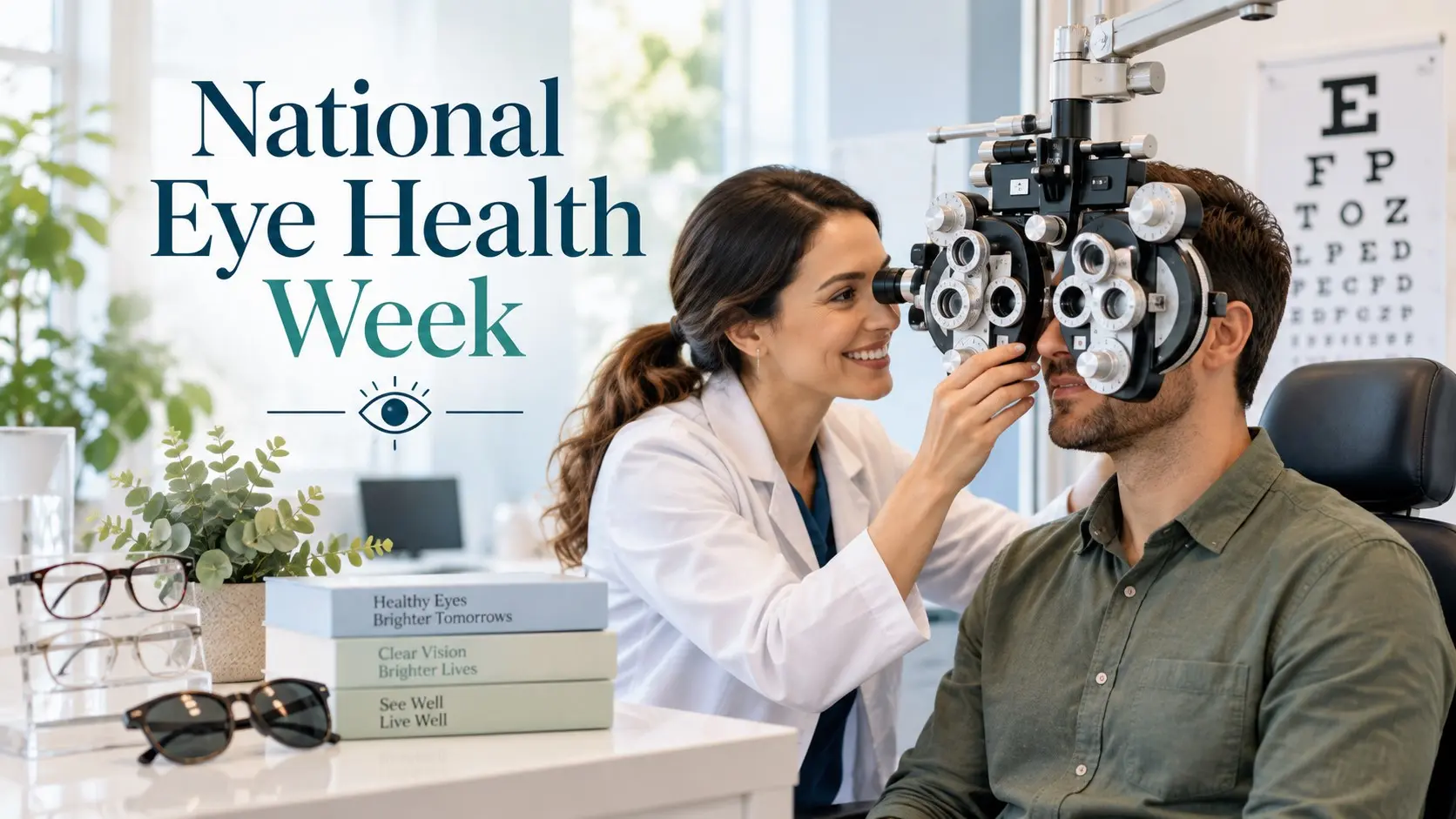
National Eye Health Week is a reminder that good vision deserves attention before something feels wrong.
Many eye conditions can develop quietly. Glaucoma, diabetic eye disease, and age related macular degeneration may cause little or no warning early on, which is one reason routine eye examinations matter.
National Eye Health Week is a UK awareness campaign led by Eye Health UK under the Vision Matters banner. In 2026, the campaign took place from September 21 to 27 and focused on routine sight tests, children’s vision, dry eyes, healthy habits, lens care, and ageing eyes.
The message should last longer than one week. Protecting your eyesight is a year round habit.
This article is for general information and education. It does not replace medical advice, diagnosis, or treatment.
Get urgent eye care if you suddenly lose vision, develop severe eye pain, see a new dark curtain or shadow across your vision, develop a sudden shower of new floaters or flashes, or have a chemical or penetrating eye injury.
Some eye emergencies can threaten permanent vision and need treatment quickly. Do not wait for a routine appointment if symptoms are sudden or severe.
Table of Contents
- Quick Answer
- What National Eye Health Week is
- Why regular eye care matters
- 9 Smart Vision Habits
- Book regular eye tests
- Know your risk factors
- Manage diabetes and blood pressure
- Protect your eyes from UV
- Do not smoke
- Eat for overall eye health
- Use screens more comfortably
- Protect your eyes from injury
- Use contact lenses safely
- Common Eye Conditions
- Glaucoma
- Cataracts
- Macular degeneration
- Diabetic retinopathy
- Dry eye
- Emergency Warning Signs
- Eye Health by Age
- Frequently Asked Questions
National Eye Health Week: Quick Answer
National Eye Health Week is a UK campaign designed to raise awareness of eye health and encourage people to have regular sight tests.
In 2026, it ran from September 21 to September 27.
The campaign highlighted:
- Routine sight tests
- Children’s eye health
- Dry eye
- Healthy lifestyle habits
- Everyday eye care
- Lens technology
- Ageing eyes
The most useful message is simple: you do not have to wait until your eyesight becomes obviously worse before getting your eyes checked.
For more detailed eye care guidance, see our Senior Eye Care Guide and Foods for Eye Health Guide.
Why National Eye Health Week Matters
Vision problems are common, but many people delay routine eye care because they think clear vision means healthy eyes.
That is not always true.
Some eye diseases can develop without obvious early symptoms.
Glaucoma is a good example. It often develops slowly, and many people do not notice changes until significant damage has already occurred.
A comprehensive eye examination can also detect changes linked with diabetes, high blood pressure, cataracts, refractive errors, macular degeneration, and other conditions.
9 Smart Ways to Protect Your Vision
1. Book Regular Eye Tests
Routine eye tests are one of the most practical ways to protect your sight.
An eye care professional can check:
- Visual acuity
- Prescription changes
- Eye pressure
- Peripheral vision when appropriate
- The retina
- The optic nerve
- Other signs of eye disease
The official National Eye Health Week campaign advises routine sight tests around every two years in the UK unless an optometrist recommends a different schedule.
Some people need more frequent care.
This may include people with:
- Diabetes
- High blood pressure
- Glaucoma risk
- A family history of eye disease
- Existing eye conditions
- Previous eye surgery
- Sudden vision changes
2. Know Your Personal Eye Risk
Eye care should not be identical for everyone.
Your risk can change with:
- Age
- Family history
- Diabetes
- High blood pressure
- Smoking
- Previous eye injury
- Severe short sightedness
- Medication use
- Previous eye surgery
Tell your eye care professional about your medical history, medicines, family history, and any recent changes in vision.
3. Manage Diabetes, Blood Pressure, and Cholesterol
Eye health is closely connected with the health of your blood vessels.
Diabetes can damage the small blood vessels in the retina and lead to diabetic retinopathy.
Good management of blood sugar, blood pressure, and cholesterol can help reduce the risk of diabetes related eye damage.
People with diabetes usually need regular dilated eye examinations as advised by their healthcare team.
For broader blood sugar guidance, visit our How to Keep Diabetes Under Control Guide.
4. Protect Your Eyes From UV Light
Ultraviolet radiation can damage the eyes over time.
Choose sunglasses that block 99 to 100 percent of UVA and UVB radiation.
A wide brimmed hat can add more protection outdoors.
Do not assume that very dark lenses provide better UV protection. The UV rating matters more than the colour of the lens.
Never look directly at the sun.
Ordinary sunglasses are also not safe equipment for directly viewing a solar eclipse.
5. Do Not Smoke
Smoking affects more than the lungs.
It is linked with a greater risk of cataracts, age related macular degeneration, and optic nerve damage.
If you smoke, quitting is one of the strongest health changes you can make for your eyes as well as your heart, lungs, and blood vessels.
6. Eat for Overall Eye Health
No single food protects eyesight by itself.
A balanced eating pattern can support the tissues and blood vessels your eyes depend on.
Useful foods include:
- Leafy green vegetables
- Colourful vegetables
- Whole fruit
- Fish
- Eggs
- Nuts
- Seeds
- Beans
- Lentils
These foods can provide nutrients such as lutein, zeaxanthin, vitamin A, vitamin C, vitamin E, zinc, and omega 3 fats.
Food cannot correct short sightedness or replace eye treatment.
For a detailed guide, read 10 Best Foods for Eye Health and Better Vision.
7. Make Screen Use More Comfortable
Long periods of screen use can contribute to digital eye strain and dry eye symptoms.
Common symptoms include:
- Sore eyes
- Dryness
- Burning
- Blurred vision
- Headache
- Difficulty focusing
Screen use does not usually cause permanent blindness by itself, but prolonged close work can make the eyes uncomfortable.
Useful habits include:
- Taking regular breaks
- Blinking often
- Adjusting screen brightness
- Reducing glare
- Using a comfortable viewing distance
- Getting the correct glasses prescription
For children and teenagers, time outdoors is also important because outdoor activity is associated with a lower risk of developing myopia.
8. Protect Your Eyes From Injury
Many eye injuries can be prevented.
Use appropriate protective eyewear when:
- Using power tools
- Working with chemicals
- Doing home repairs
- Gardening
- Playing certain sports
- Working in environments with flying particles
If a chemical enters the eye, start rinsing immediately with plenty of clean water and seek urgent medical care.
Do not try to remove an object that has pierced the eye.
9. Use Contact Lenses Safely
Contact lenses sit directly on the eye, so hygiene matters.
Reduce infection risk by:
- Washing and drying your hands before touching lenses
- Following the recommended replacement schedule
- Using approved lens solution
- Keeping the lens case clean
- Not sharing lenses
- Avoiding sleeping in lenses unless they are specifically prescribed for overnight use
- Removing lenses if the eye becomes painful or very red
A painful red eye in a contact lens wearer needs prompt assessment because some corneal infections can threaten vision.
Common Eye Conditions Worth Knowing
Glaucoma
Glaucoma damages the optic nerve.
The common chronic forms may cause no obvious symptoms at first.
Vision loss can develop slowly, which is why routine eye tests are important.
A sudden painful red eye with blurred vision, halos, headache, nausea, or vomiting can be a different and urgent type of glaucoma and needs emergency assessment.
Cataracts
A cataract is clouding of the natural lens inside the eye.
Possible symptoms include:
- Cloudy vision
- Glare
- Halos around lights
- Reduced night vision
- Colours looking less bright
Age is a major risk factor, but diabetes, smoking, and long term UV exposure can also contribute.
Cataract surgery can restore useful vision for many people when cataracts become significant.
Age Related Macular Degeneration
Age related macular degeneration, or AMD, affects the macula, which provides detailed central vision.
It can make reading and recognizing faces difficult while peripheral vision may remain.
Risk rises with age.
Smoking is an important modifiable risk factor.
Some people with intermediate AMD may benefit from a specific AREDS2 supplement formula if an eye care professional recommends it.
AREDS2 is not a general eye vitamin for everyone.
Diabetic Retinopathy
Diabetic retinopathy happens when diabetes damages retinal blood vessels.
It may not cause symptoms early.
That is why regular retinal or dilated eye examinations are important for people with diabetes.
Managing blood sugar, blood pressure, and cholesterol can help protect vision.
Dry Eye
Dry eyes can cause:
- Burning
- Grittiness
- Redness
- Watering
- Blurred vision that comes and goes
- Eye fatigue
Dry eye can be linked with ageing, menopause, screen use, contact lenses, medicines, eyelid problems, and other conditions.
Persistent symptoms deserve proper assessment rather than relying indefinitely on random eye drops.
When Vision Changes Need Urgent Care
Routine eye tests are important, but some symptoms should not wait.
Seek urgent eye care if you develop:
- Sudden loss of vision
- A sudden increase in floaters
- New flashes of light
- A dark curtain or shadow across vision
- Sudden blurred vision
- Sudden double vision
- Severe eye pain
- A very red painful eye
- Strong light sensitivity with eye pain
- A penetrating eye injury
- A chemical eye injury
A sudden curtain or shadow, flashes, and new floaters can be warning signs of a retinal tear or retinal detachment.
Retinal detachment needs rapid assessment because treatment can help prevent permanent loss of vision.
Eye Health for Children
Children may not realize that their vision is blurred because they have nothing to compare it with.
Possible clues include:
- Sitting very close to screens
- Squinting
- Covering one eye
- Frequent headaches
- Difficulty reading
- Eye turning in or out
- Struggling at school
Vision problems can affect learning and development.
Children can have their vision assessed even before they can read letters.
Eye Health in Working Adults
Working adults often spend long hours using computers and phones.
Comfort matters, but screen breaks are not a replacement for proper eye examinations.
If text becomes harder to read, headaches are frequent, or focus feels difficult, check whether your prescription needs updating.
Adults with diabetes, high blood pressure, a family history of glaucoma, or other eye risks may need closer follow up.
Eye Health After 50 and 60
Age related changes become more common later in life.
These can include:
- Presbyopia
- Cataracts
- Glaucoma
- AMD
- Dry eye
- Diabetic eye disease
Do not assume that major sight loss is simply a normal part of getting older.
Many eye diseases can be treated or managed, especially when found early.
For more detail, read our Senior Eye Care Health Guide.
Can Eye Tests Detect Other Health Problems?
Sometimes.
Changes visible during an eye examination may suggest:
- Diabetes
- High blood pressure
- Blood vessel disease
- Some neurological conditions
An eye examination does not replace general medical care, but it can sometimes provide useful clues about broader health.
Do Eye Vitamins Prevent Vision Loss?
Not for everyone.
This is an area where marketing can become misleading.
A general multivitamin is not proven to prevent all common eye diseases.
The AREDS2 formula can help reduce progression in selected people with intermediate or advanced AMD in certain situations.
It is not recommended simply because someone wants stronger eyesight.
Ask an eye care professional before taking high dose eye supplements.
Are Carrots Enough for Healthy Eyes?
No.
Carrots provide beta carotene, which the body can convert into vitamin A.
Vitamin A is essential for normal vision, but eating extra carrots will not correct short sightedness, glaucoma, cataracts, or macular degeneration.
A varied diet is more useful than relying on one food.
Does Drinking Water Cure Dry Eyes?
No.
Good hydration supports general health, but dry eye has many possible causes.
Drinking more water does not automatically correct tear gland problems, eyelid disease, medication effects, hormonal changes, or contact lens related dryness.
Do Blue Light Glasses Protect the Eyes?
Blue light glasses are widely marketed for screen use.
They may make some people more comfortable, but they are not a proven way to prevent serious eye disease from ordinary computer screens.
Screen comfort is more likely to improve with:
- Regular breaks
- Correct prescription lenses
- Reduced glare
- Comfortable lighting
- Frequent blinking
- Managing dry eye when present
National Eye Health Week 2026 Themes
The 2026 campaign highlighted several areas of eye care.
| Theme | Why It Matters | Useful Action |
|---|---|---|
| Primary eye care | Routine sight tests can detect problems early | Book an overdue eye test |
| Children’s eye health | Children may not know their vision is poor | Arrange a vision check when appropriate |
| Dry eyes | Screens, ageing, menopause, and contact lenses can contribute | Address persistent dryness properly |
| Live well to see well | Smoking, diabetes, blood pressure, diet, and activity affect eye health | Support overall health |
| Everyday self care | Simple eye care habits reduce preventable problems | Use UV and injury protection |
| Ageing eyes | Eye disease becomes more common with age | Stay current with examinations |
A Simple 7 Day Eye Health Reset
Day 1: Check Your Last Eye Test
If you cannot remember when it was, that is a useful sign to check whether you are due.
Day 2: Check Your Sunglasses
Make sure they provide proper UVA and UVB protection.
Day 3: Improve Your Screen Setup
Reduce glare, adjust brightness, and take regular distance breaks.
Day 4: Review Your Health Conditions
If you have diabetes or high blood pressure, make sure eye care is included in your routine health plan.
Day 5: Add Eye Supporting Foods
Add leafy greens, colourful vegetables, fish, eggs, nuts, seeds, beans, or fruit to your meals.
Day 6: Check Contact Lens Habits
Replace old cases, review your lens schedule, and stop sleeping in lenses unless specifically prescribed.
Day 7: Learn the Emergency Signs
Remember sudden vision loss, flashes, a shower of new floaters, a dark curtain, or severe eye pain.
Conclusion
National Eye Health Week is a useful reminder that vision care should not begin only after eyesight becomes poor.
Regular eye tests, diabetes and blood pressure management, UV protection, not smoking, safe contact lens use, injury prevention, comfortable screen habits, and good nutrition all play a part in protecting your eyes.
Most importantly, learn the difference between a routine problem and an eye emergency.
Your next step is simple: check when you last had an eye examination and book one if you are overdue. Then make one eye healthy habit part of your normal routine rather than waiting for next year's National Eye Health Week.
References and Sources
- Eye Health UK, Vision Matters. National Eye Health Week 2026.
https://www.visionmatters.org.uk/ - National Eye Institute. Get a Dilated Eye Exam.
https://www.nei.nih.gov/eye-health-information/healthy-vision/finding-eye-doctor/get-dilated-eye-exam - Centers for Disease Control and Prevention. Taking Care of Your Eyes.
https://www.cdc.gov/vision-health/prevention/taking-care-of-your-eyes.html - National Eye Institute. Healthy Vision.
https://www.nei.nih.gov/eye-health-information/healthy-vision - NHS. Floaters and Flashes in the Eyes.
https://www.nhs.uk/symptoms/floaters-and-flashes-in-the-eyes/ - NHS. Glaucoma.
https://www.nhs.uk/conditions/glaucoma/
Internal Links + Hub
- Foods for Eye Health and Better Vision
- Senior Eye Care Health Guide
- Nutrition & Vitamins Hub
- How to Keep Diabetes Under Control
- Omega 3 Benefits Guide
- How to Build and Maintain a Healthy Brain
About the Author
Adel Galal is the founder and editor of NextFitLife. He writes practical consumer health, nutrition, fitness, healthy ageing, and wellness content using information from recognized medical, public health, and academic sources.
I am not a doctor, ophthalmologist, optometrist, registered dietitian, or other licensed healthcare professional. This content does not replace professional medical advice. What I share comes from real life experience, extensive research, and consultation with healthcare providers. Always consult qualified medical professionals for diagnosis and treatment of any health condition.
Learn more about NextFitLife, the author, and the site's editorial approach on the About Us page.
Frequently Asked Questions
What is National Eye Health Week?
National Eye Health Week is a UK awareness campaign that promotes good eye health, regular sight tests, early detection of eye disease, and practical habits that help protect vision.
When was National Eye Health Week 2026?
National Eye Health Week 2026 took place from Monday, September 21 to Sunday, September 27.
How often should I have an eye test?
The National Eye Health Week campaign recommends routine sight tests around every two years in the UK unless your optometrist advises otherwise. People with diabetes, high blood pressure, glaucoma risk, or other eye conditions may need more frequent examinations.
Can an eye test find disease before symptoms start?
Yes. Some eye diseases, including glaucoma and diabetic eye disease, can develop without obvious early symptoms. Eye examinations can help identify problems before major vision loss occurs.
What are the most important habits for healthy eyes?
Useful habits include regular eye tests, UV protection, not smoking, controlling diabetes and blood pressure, using protective eyewear, eating a balanced diet, caring for contact lenses properly, and acting quickly when vision suddenly changes.
Does screen time damage eyesight permanently?
Ordinary screen use is more commonly linked with temporary eye strain, dryness, blurred vision, and headaches than permanent vision loss. Regular breaks, correct glasses, blinking, good lighting, and appropriate screen distance can improve comfort.
What eye symptoms are an emergency?
Sudden vision loss, severe eye pain, new flashes, a sudden shower of floaters, a dark curtain or shadow across vision, penetrating injury, and chemical eye exposure all need urgent assessment.
Does diabetes affect eyesight?
Yes. Diabetes can damage retinal blood vessels and cause diabetic retinopathy. Good blood sugar, blood pressure, and cholesterol management plus regular eye examinations can help protect vision.
Do eye vitamins protect everyone from vision loss?
No. General eye supplements are not proven to prevent all eye disease. The AREDS2 formula is useful only for selected people with certain stages of age related macular degeneration and should be discussed with an eye care professional.
Can cataracts be prevented?
Cataracts cannot always be prevented because ageing is a major factor. Avoiding smoking, protecting the eyes from UV radiation, and managing diabetes can help reduce some risk factors.
Why are regular eye tests important if I can see clearly?
Clear vision does not guarantee healthy eyes. Some conditions can develop silently, so eye examinations can detect problems that may not yet affect everyday vision.

Health & wellness writer with 30+ years of experience in nutrition, fitness, and healthy aging. Founder of NextFitLife.com — evidence-based health guidance.