
First published: August 26, 2024
Last updated: October 7, 2026
Written and source-checked by Adel Galal, Founder and Lead Writer at NextFitLife.
Medical review status: This article has not been reviewed by a licensed clinician.
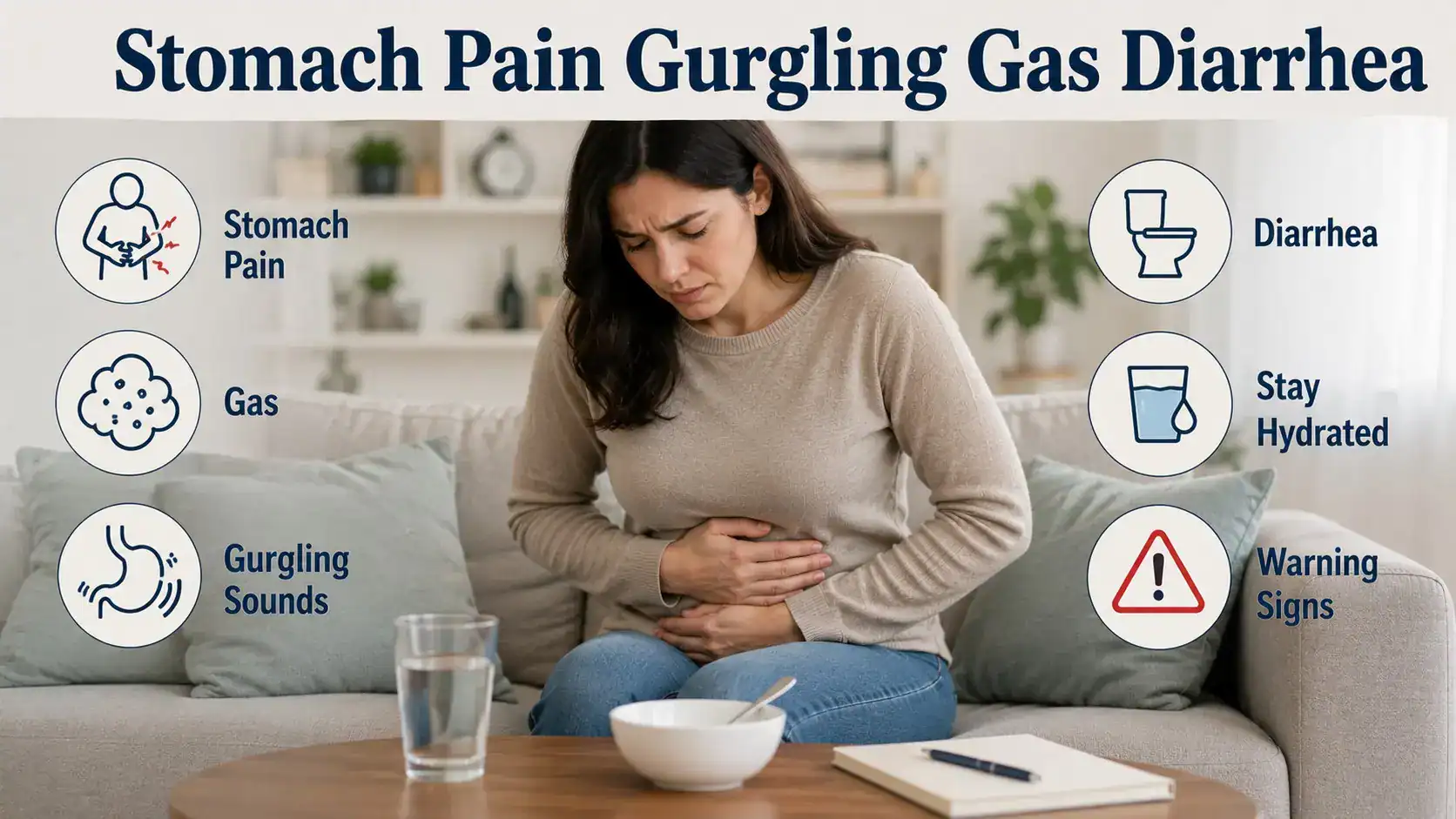
A stomach virus can cause vomiting, watery diarrhoea, cramps and sometimes fever. The main home-care goal is to replace lost fluids. There is no proven instant cure. Seek medical help if you cannot keep fluids down or have signs of dehydration.
This guide is for general education. It does not diagnose illness or replace personal medical advice.
What does stomach virus mean?
The term usually means viral gastroenteritis, an infection of the gut. Norovirus is one common cause. It is different from influenza, despite the name “stomach flu.” Symptoms alone cannot identify a virus or confirm a new yearly strain.
Food poisoning and other illnesses can cause similar symptoms. A severe or unusual illness needs an assessment rather than a guess based on an online symptom list.
Symptoms and the usual recovery pattern
Common symptoms include watery diarrhoea, nausea, vomiting and stomach cramps. Fever, headache or body aches may also occur. Norovirus illness often improves within one to three days, although other causes can last longer. A recovery estimate is not a reason to ignore worsening symptoms.
Watch how much you can drink and how often you pass urine. A dry mouth, dark urine, much less urine, dizziness or unusual tiredness can signal dehydration.
When to seek urgent medical care
Get medical advice promptly if you have frequent vomiting, cannot drink enough, or have dehydration signs. Seek help for severe abdominal pain, high fever, black or bloody stools, or symptoms that are not improving. NIDDK advises adults to seek care for diarrhoea lasting more than two days or six or more loose stools in a day.
Seek emergency care for confusion, fainting, sudden severe stomach pain, vomiting blood or major deterioration. Babies, older adults, pregnant people and those with weakened immunity or other health conditions need a lower threshold for medical advice. Contact a clinician about a child with vomiting or diarrhoea, especially a baby with fewer wet nappies or poor feeding.
Safe steps for home care
- Take small, frequent sips if drinking a large amount makes you vomit.
- Use an oral rehydration solution when advised, especially if fluid losses are substantial. Mix it exactly as the packet directs.
- Rest and eat when you feel able. A prolonged fast or a restrictive diet is not a standard treatment.
- Keep breast milk or formula feeds at their normal strength. Ask for advice if a baby cannot feed.
NHS guidance advises avoiding fruit juice and fizzy drinks during diarrhoea because they may worsen it. If you have a prescribed fluid limit, kidney disease or heart failure, ask a clinician how to replace fluid safely.
What medicines can and cannot do
Antibiotics do not treat viral gastroenteritis. Norovirus does not have a routine antiviral cure. Claims that an “anti-inflammatory diet,” experimental drugs or a probiotic will eliminate a stomach virus are not reliable treatment instructions.
A pharmacist or clinician can advise whether a symptom medicine is suitable. Do not self-treat bloody diarrhoea or fever with anti-diarrhoea medicine. Do not give these medicines to a child without professional advice. Probiotics are not a guaranteed cure; ask a clinician before using them.
How to reduce spread
Wash hands with soap and water, especially after using the toilet and before handling food. Hand sanitiser alone does not work well against norovirus. Clean contaminated surfaces with a product labelled for norovirus, following its directions, and wash soiled laundry.
Stay away from school or work until at least 48 hours after vomiting and diarrhoea stop. Do not prepare food or care for others while ill and for at least 48 hours afterward. Keep washing hands carefully after recovery because the virus can still be shed.
Conclusion
For a stomach virus, focus on fluids, rest and preventing spread. Your next step is to check for dehydration and seek help promptly if drinking is difficult or symptoms worsen.
Related guides
About the author
Adel Galal is the founder and lead writer at NextFitLife. He writes educational health and wellness guides based on published sources. He is not presented as a licensed clinician or medical reviewer.
Frequently Asked Questions
Is a stomach virus the same as flu?
No. A stomach virus usually means viral gastroenteritis. Influenza is a different infection.
How long does norovirus illness last?
Many people improve within one to three days. Seek care sooner for dehydration, severe symptoms or deterioration.
Do antibiotics cure a stomach virus?
No. Antibiotics do not work against viruses. A clinician may investigate a different cause if symptoms suggest one.
What should I drink?
Take small, frequent sips. Oral rehydration solution may help replace lost water and salts. Seek advice if you cannot keep fluids down.
When can I prepare food for other people?
Wait at least 48 hours after vomiting and diarrhoea stop, and continue careful handwashing.
References and Sources
- NIDDK: symptoms and causes
- NIDDK: treatment
- CDC: about norovirus
- CDC: prevention
- NHS: diarrhoea and vomiting

Health & wellness writer with 30+ years of experience in nutrition, fitness, and healthy aging. Founder of NextFitLife.com — evidence-based health guidance.