
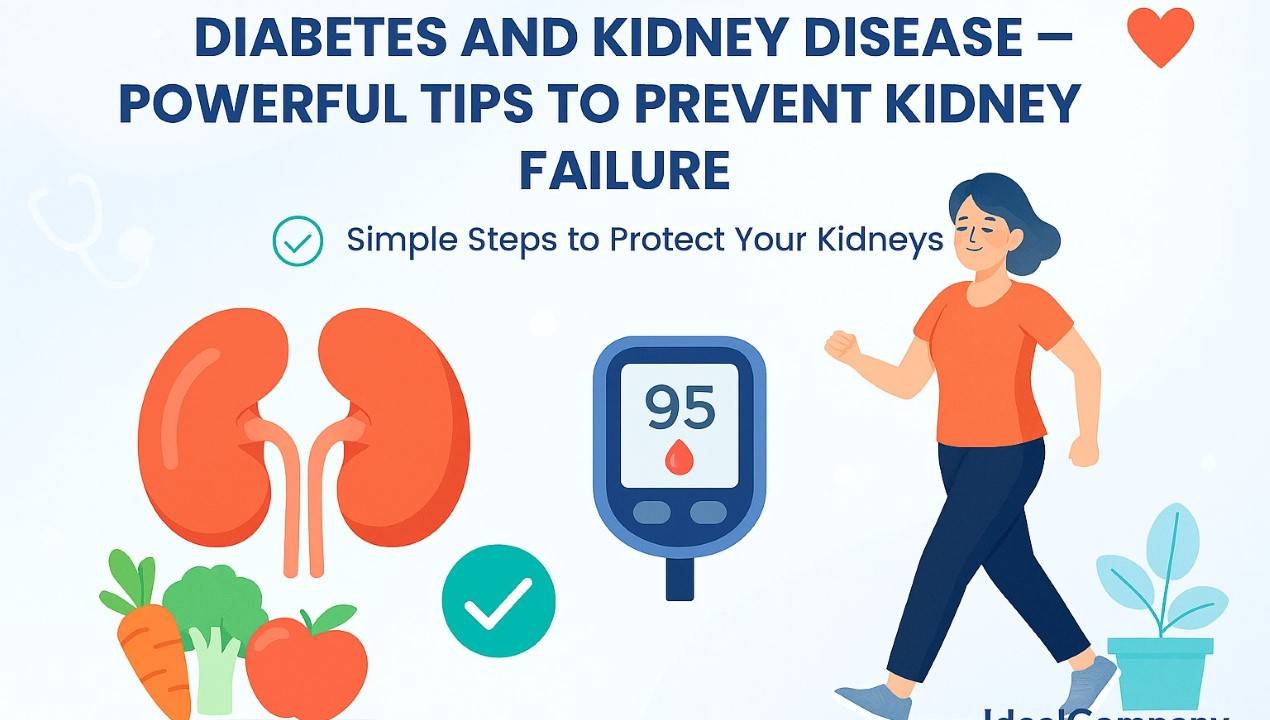
Diabetes and kidney disease are closely connected. High blood glucose can damage kidney blood vessels over time. Care focuses on protecting remaining function, monitoring tests and addressing individual risks. Diet changes or supplements do not guarantee that damaged kidneys will recover.
Medical review status: This educational article has not been medically reviewed by a nephrologist, diabetes clinician or renal dietitian.
Testing matters even when you feel well
Early kidney disease often has no symptoms. A blood test estimates filtration through eGFR, and a urine albumin-to-creatinine ratio checks for albumin leakage. Ask your diabetes team when to begin screening and how often to repeat tests. Abnormal results may require confirmation and further assessment.
Swelling, fatigue or foamy urine can have several causes; symptoms alone cannot diagnose or stage kidney disease. Do not wait a week to seek advice about concerning changes.
Understanding eGFR and stages
eGFR is reported in mL/min/1.73 m², not as a percentage. Stage G4 uses an eGFR range of 15–29. Chronic kidney disease is assessed using persistent findings, urine albumin and clinical context. A single result does not tell the whole story or determine when dialysis must start.
Individual glucose and blood-pressure plans
Work with your care team to set glucose, A1C and blood-pressure goals. How often you check glucose depends on medicines, symptoms and your treatment plan; twice-daily testing and one glucose range are not suitable for everyone. Do not change insulin or other medicines based on this article.
Food, fluids and activity
A renal dietitian can help balance diabetes management with kidney nutrition. Protein needs vary, and too little protein can cause malnutrition. Potassium and phosphorus restrictions should follow test results and clinical advice, rather than automatically banning fruit at a particular stage.
Your sodium and fluid plan should reflect your condition. Extra water does not flush away chronic kidney damage. Do not use a universal eight-glass target, potassium-containing salt substitutes or nettle tea as kidney treatment.
Choose activity suited to your abilities and care plan. Ask about glucose safety when using medicines that can cause low blood sugar. Smoking cessation and sustainable habits can support care, without a guaranteed risk reduction for an individual.
Medicines and follow-up
Clinicians may prescribe kidney-protective treatment based on kidney tests, diabetes type, blood pressure and other factors. Medicines may need adjustment as kidney function changes. Keep your healthcare team informed about prescriptions, over-the-counter products and supplements.
NSAIDs such as ibuprofen or naproxen can harm kidneys, particularly with kidney disease or dehydration. Ask your pharmacist or clinician about safer choices and an illness plan. Do not stop prescribed medicines without advice.
When to seek care
Contact your clinician promptly about new swelling, substantially reduced urine, vomiting or a sudden change in health. Call local emergency services for severe breathing difficulty, chest pain, collapse or confusion. Kidney symptoms should not be managed with home remedies while urgent assessment is delayed.
Questions for your next appointment
- What do my eGFR and urine albumin results mean together?
- What are my personal glucose and blood-pressure goals?
- How often should I test, and when should I contact the team?
- Do I need different protein, potassium, sodium or fluid advice?
- Are my medicines and supplements safe for my current kidney function?
Frequently asked questions
How does diabetes affect the kidneys?
High blood glucose can damage kidney blood vessels over time. Diabetes increases kidney-disease risk, but other causes are possible; tests and clinical assessment are needed.
What does stage 4 chronic kidney disease mean?
Stage G4 refers to an eGFR of 15–29 mL/min/1.73 m² in chronic kidney disease. This is not a percentage of kidney function. A kidney specialist assesses the full picture and plans care.
How can I protect my kidneys with diabetes?
Work with your care team on individualized glucose and blood-pressure goals, prescribed medicines, appropriate food and activity, smoking cessation and kidney testing. No routine guarantees prevention of kidney failure.
Should everyone with kidney disease restrict potassium or drink more water?
No. Potassium, protein and fluid advice depends on test results, treatment and individual needs. Ask your kidney team or renal dietitian; do not follow a universal eight-glass rule.
Is this article medically reviewed?
No. It is educational content written by Adel Galal. Professional review by a nephrologist, diabetes clinician or renal dietitian has not been completed.
Sources
- NIDDK: Diabetic Kidney Disease
- NIDDK: Kidney Disease Tests and Diagnosis
- NIDDK: Identifying and Evaluating CKD
- NIDDK: Healthy Eating for Adults with CKD
- NIDDK: Keeping Kidneys Safe—Medicines
Related education: Health Hub, kidney disease treatment and kidney diet guidance.
Author: Adel Galal, founder and lead writer of NextFitLife. Adel is not a licensed healthcare professional. This article does not replace diagnosis, treatment or individualized advice.

Health & wellness writer with 30+ years of experience in nutrition, fitness, and healthy aging. Founder of NextFitLife.com — evidence-based health guidance.