
First published: May 10, 2023
Last updated: September 30, 2026
Written by: Adel Galal, Founder and Editor of NextFitLife
Medical review status: This article has not been medically reviewed by a bariatric surgeon, obesity medicine specialist, registered dietitian, psychologist, pharmacist, or other licensed healthcare professional.
Weight loss surgery UK treatment is much more than making the stomach smaller. Modern bariatric procedures can change appetite, fullness, gut signals, food intake, blood sugar control, and in some operations, how nutrients are absorbed.
For the right person, surgery can improve health and lead to major long-term weight loss. It also brings real surgical risks, permanent eating changes, supplements, blood tests, and follow up that can continue for life.
Quick Answer
Weight loss surgery in the UK may be considered for adults with severe obesity after specialist assessment. Common operations include gastric sleeve and gastric bypass. NHS referral depends on BMI, weight related health conditions, and individual needs. Surgery also requires long term diet changes, vitamin supplements, blood tests, and ongoing medical follow up.
Get Urgent Help After Surgery for These Symptoms
Seek urgent medical care after bariatric surgery if you develop severe or worsening abdominal pain, chest pain, shortness of breath, repeated vomiting, fainting, confusion, severe weakness, difficulty swallowing, fever with a fast heart rate, or signs of serious dehydration.
Tell the healthcare team which bariatric procedure you had and when you had it. Some complications can occur months or years after surgery.
Medical notice: This content is for general educational purposes and does not replace professional medical advice, diagnosis, or treatment. Consult an appropriately qualified healthcare professional for personal medical concerns. This article explains published guidance and does not provide a personal clinical assessment. Always consult qualified medical professionals for diagnosis and treatment of any health condition.
Table of Contents
- What Weight Loss Surgery Means
- Who May Qualify on the NHS
- 12 Essential Facts Before Surgery
- Main Surgery Options
- Gastric Sleeve vs Gastric Bypass
- What the NHS Assessment Includes
- NHS vs Private Surgery
- Benefits and Health Changes
- Risks and Complications
- Recovery and Eating
- Vitamins and Blood Tests
- Pregnancy After Surgery
- Weight Regain
- Warning Signs
- Questions to Ask
- References and Sources
- Related NextFitLife Guides
- About the Author
- Frequently Asked Questions
What Is Weight Loss Surgery?
Weight loss surgery is also called bariatric surgery or metabolic surgery.
It is medical treatment for obesity.
Different procedures change the stomach, the digestive tract, or both. These changes help people eat smaller amounts and can also affect hunger, fullness, blood sugar, and gut hormone signals.
This matters because obesity is not simply a problem of willpower.
Body weight is affected by genetics, brain signals, hormones, medicines, sleep, food environment, physical activity, medical conditions, and many other factors.
Surgery is one treatment option within this wider medical picture.
For the broader subject, see the NextFitLife Bariatric Surgery guide.
Who May Qualify for Weight Loss Surgery on the NHS?
Current NICE guidance recommends referral for a specialist bariatric assessment when an adult:
- Has a BMI of 40 or more
- Or has a BMI from 35 to 39.9 with a significant health condition that could improve with weight loss
- And agrees to the long term follow up needed after surgery
Health conditions that may improve include type 2 diabetes, high blood pressure, obstructive sleep apnoea, cardiovascular disease, and fatty liver disease.
Meeting these criteria does not mean surgery is automatically approved.
It means you should be considered for specialist assessment.
Why can lower BMI thresholds apply?
NICE uses BMI thresholds that are 2.5 points lower for people from South Asian, Chinese, other Asian, Middle Eastern, Black African, or African Caribbean backgrounds.
This reflects the fact that cardiometabolic risks can occur at lower BMI levels in these groups.
What if you have type 2 diabetes?
NICE recommends considering a faster bariatric assessment for some adults with recently diagnosed type 2 diabetes and a BMI from 30 to 34.9.
A lower BMI threshold can again apply to some ethnic backgrounds.
Your healthcare team decides whether these recommendations fit your individual situation.
12 Essential Facts Before Weight Loss Surgery
1. Surgery Is Medical Treatment, Not a Cosmetic Shortcut
Bariatric surgery treats obesity and its health effects.
The aim is not simply to change appearance. Treatment may improve diabetes, high blood pressure, sleep apnoea, mobility, and other weight related health problems in selected people.
Needing surgery does not mean someone has failed at diet or exercise.
2. NHS Eligibility Is a Starting Point, Not Automatic Approval
BMI and health conditions determine whether specialist assessment should be considered.
The team then looks at your full medical picture.
They assess likely benefits, surgical risk, nutrition, mental wellbeing, eating patterns, previous treatment, and your ability to manage postoperative care.
3. Some People Use Lower BMI Thresholds
One BMI threshold does not fit every population.
NICE recommends lower thresholds for several ethnic backgrounds because conditions such as type 2 diabetes and cardiovascular disease can occur at lower BMI levels.
This is a clinical adjustment, not a different definition of obesity.
4. Sleeve and Bypass Are Different Tools
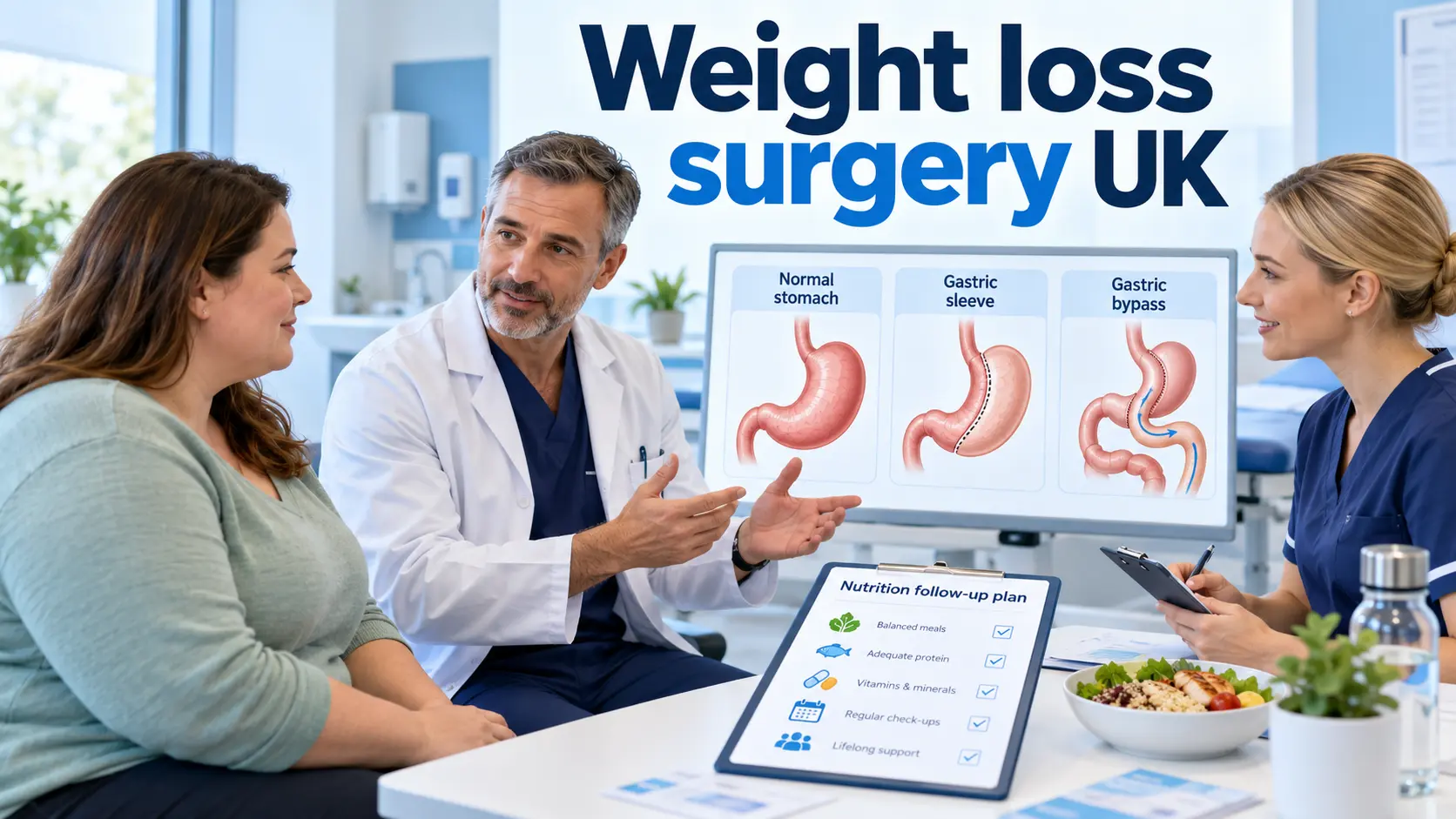
The gastric sleeve removes a large part of the stomach and leaves a narrow sleeve shaped stomach.
The gastric bypass creates a small stomach pouch and reroutes part of the small intestine.
Both can support substantial weight loss, but their effects on reflux, nutrient absorption, diabetes, and long term monitoring differ.
The best procedure depends on the person.
5. Surgery Changes Biology, Not Only Stomach Size
Modern bariatric surgery affects appetite and fullness signals.
A gastric bypass also changes how food moves through the digestive tract and how some nutrients are absorbed.
This is why the term metabolic surgery is also used.
6. A Multidisciplinary Assessment Comes First
NICE recommends a multidisciplinary assessment before bariatric surgery.
The team must be able to assess medical, nutritional, psychological, and surgical needs.
This is not about proving that you are motivated enough.
It is about finding problems that could affect safety or make recovery harder, then providing the right support.
7. Your Eating Pattern Changes Immediately After Surgery
You cannot eat a normal solid meal straight after bariatric surgery.
The NHS uses a staged recovery plan. A typical pathway begins with liquids, moves to pureed foods, then soft foods, before gradually returning to suitable solid meals.
Your own bariatric team may use a different schedule, so follow their instructions first.
8. Vitamins and Blood Tests Can Continue for Life
This is one of the most important facts to understand before surgery.
After the specialist bariatric service discharges you, NICE recommends at least annual monitoring of nutritional status and appropriate supplementation.
Depending on the operation, blood tests can include iron, vitamin B12, folate, vitamin D, calcium, and other nutrients.
Do not assume a normal supermarket multivitamin automatically meets bariatric requirements.
9. Repeated Vomiting Is Not Normal
Repeated or continuous vomiting after bariatric surgery needs investigation.
Possible causes include narrowing, obstruction, an ulcer, a band problem, or difficulty tolerating food.
Long lasting vomiting can also cause thiamine deficiency.
Severe thiamine deficiency can damage the nervous system, so do not simply wait for repeated vomiting to settle on its own.
10. Pregnancy Needs Planning
Fertility can improve after substantial weight loss.
The NHS advises avoiding pregnancy for around 12 to 18 months after bariatric surgery while weight is falling rapidly.
Talk with the bariatric team before trying to conceive because supplements, contraception, nutrition, and some medicines may need review.
11. Weight Regain Can Happen
Weight regain does not prove that surgery failed or that the person lacks discipline.
Appetite biology, medicines, sleep, eating patterns, mental health, activity, and changes in surgical anatomy can all contribute.
Regain should trigger a clinical review.
Some people may benefit from nutrition support, psychological treatment, obesity medicine, or a specialist review of the original operation.
12. Complications Can Appear Years Later
The risk period does not end when the wounds heal.
Late problems can include nutritional deficiencies, gallstones, reflux, ulcers, internal hernia, bowel obstruction, dumping syndrome, low blood sugar, and weight regain.
Tell any doctor who treats you that you have had bariatric surgery, even if the operation was many years ago.
Main Types of Weight Loss Procedures in the UK
| Procedure | What Changes | Main Point to Know |
|---|---|---|
| Gastric sleeve | A large part of the stomach is removed | Permanent and can worsen reflux in some people |
| Gastric bypass | Creates a small stomach pouch and bypasses part of the intestine | Strong metabolic effects with important nutrition monitoring |
| Gastric band | An adjustable band sits around the upper stomach | Requires adjustment and can cause band related problems |
| Gastric balloon | A temporary balloon occupies space in the stomach | Temporary and inserted endoscopically |
| Endoscopic sleeve gastroplasty | Internal stitches fold the stomach to reduce usable volume | No stomach tissue is removed |
Availability differs between NHS services and specialist centres.
Gastric Sleeve vs Gastric Bypass
This is one of the biggest decisions in bariatric treatment.
Gastric Sleeve
Sleeve gastrectomy removes much of the stomach and leaves a narrow tube.
The intestine is not bypassed.
You can eat less, and appetite signals can change.
One important issue is reflux. Sleeve surgery can make reflux worse in some people.
Gastric Bypass
Gastric bypass creates a small stomach pouch and connects it to a lower section of small intestine.
Food therefore bypasses part of the stomach and intestine.
This can have strong effects on appetite, blood sugar, and weight, but it also increases the need for careful nutritional monitoring.
Which one is better?
Neither operation wins for every person.
The choice depends on factors such as:
- Reflux
- Type 2 diabetes
- BMI
- Eating patterns
- Previous abdominal surgery
- Nutritional risk
- Current medicines
- Other medical conditions
Make the decision with the specialist team, not from a social media comparison.
What Happens During the NHS Assessment?
NICE requires a broad assessment rather than a simple BMI check.
Medical health
The team reviews obesity related conditions, previous operations, medicines, sleep apnoea, heart and lung health, and fitness for anaesthesia.
Nutrition
A dietitian can review food intake, eating patterns, existing deficiencies, previous diets, and what your eating will need to look like after surgery.
Psychological needs
The team looks for support that may help you adjust to surgery and long term change.
This can include eating disorders, depression, anxiety, trauma, or other issues where treatment or extra support would improve care.
Previous weight management treatment
NICE advises teams to review previous attempts to manage weight and how you responded to earlier treatment.
Modern options can include structured lifestyle treatment and weight management medicines as well as surgery.
Long term follow up
Your willingness and ability to attend follow up matters because postoperative monitoring is part of treatment, not an optional extra.
NHS vs Private Weight Loss Surgery
NHS treatment
NHS treatment follows clinical criteria and local pathways.
Availability and waiting times can vary between parts of the UK.
Your GP or specialist weight management service can explain the local referral process.
Private treatment
Private care can provide faster access, but faster does not automatically mean better.
Before paying, ask:
- Who will perform the operation?
- What bariatric training do they have?
- Where will the surgery happen?
- Who provides dietetic care?
- Is psychological support available?
- How long does follow up last?
- Who manages complications after discharge?
- Who orders annual blood tests?
- Who manages supplements after the package ends?
- What happens if revision surgery is needed?
- Will your GP receive the full operation record?
Long term aftercare matters as much as the date of surgery.
What Benefits Can Weight Loss Surgery Offer?
Surgery can improve several obesity related conditions in selected patients.
Possible benefits include improvement in:
- Type 2 diabetes
- High blood pressure
- Obstructive sleep apnoea
- Mobility
- Some joint symptoms
- Fatty liver disease
- Cardiovascular risk factors
- Quality of life
The size of the benefit differs between people.
A procedure should be judged by health outcomes and the number on the scale.
What Are the Main Risks?
Bariatric operations are commonly performed, but they are still major medical procedures.
Blood clots
A clot can form in a leg and travel to the lungs. This is called a pulmonary embolism.
Hospitals use methods such as early movement, compression, and blood thinning medicine when appropriate to reduce this risk.
Leak
A leak can develop from a staple line or surgical join.
This can cause serious infection and needs urgent treatment.
Bleeding
Bleeding can occur during or after the procedure.
Infection
Wounds or deeper tissues can become infected.
Blockage or narrowing
Scar tissue, internal hernias, narrowing, or other problems can interfere with the passage of food or bowel contents.
Gallstones
Rapid weight loss increases the risk of gallstones.
Dumping syndrome
Dumping syndrome can occur when food moves rapidly into the intestine, especially after gastric bypass.
Symptoms can include nausea, abdominal symptoms, diarrhoea, sweating, flushing, weakness, or dizziness.
Nutritional deficiencies
Iron, vitamin B12, folate, vitamin D, calcium, thiamine, zinc, copper, and other nutrients can become low.
This is why supplements and blood tests are part of treatment.
What Does Recovery Look Like?
Many NHS patients go home within about one to three days after surgery, depending on the procedure and recovery.
Return toward usual daily activities often takes several weeks.
Your food plan changes in stages.
A typical NHS example moves through:
- Liquids
- Pureed foods
- Soft foods
- A gradual return to suitable solid food
Your own bariatric team's plan is more important than a general online timeline.
How Should You Eat After Surgery?
Your stomach will tolerate much smaller amounts.
Eat slowly.
Chew food well.
Stop when you feel full.
Follow your dietitian's advice about protein, fluids, food texture, meal timing, and supplements.
Trying to force normal sized meals can cause pain or vomiting.
Why Are Vitamins and Blood Tests Lifelong?
Food intake becomes smaller and some procedures reduce nutrient absorption.
NICE recommends at least two years of specialist postoperative care.
After discharge from the bariatric service, at least annual nutritional monitoring should continue.
Tests may include:
- Full blood count
- Iron and ferritin
- Vitamin B12
- Folate
- Vitamin D
- Calcium
- Kidney tests
- Liver tests
- Zinc
- Copper
- Other nutrients when indicated
Visit the NextFitLife Nutrition and Vitamins Hub for general nutrient education, but use your bariatric team's supplement doses after surgery.
Pregnancy After Weight Loss Surgery
Pregnancy is possible after bariatric surgery, and fertility can improve as weight falls.
The NHS advises avoiding pregnancy for about 12 to 18 months after surgery while body weight is changing quickly.
Discuss contraception before surgery if pregnancy is possible.
When you plan a pregnancy, tell both the bariatric team and maternity team.
Nutritional monitoring becomes especially important during pregnancy.
What If Weight Comes Back?
Some weight regain can occur.
It should not be treated as a moral failure.
Possible contributors include appetite changes, medicines, sleep, mental health, reduced activity, eating patterns, and changes in the stomach or intestinal anatomy.
A specialist review can look for the cause.
Options can include dietetic support, psychological care, prescription obesity medicine, or revisional surgery in selected cases.
NICE states that revisional bariatric surgery should be carried out by surgeons with extensive experience because revision has higher complication risks than primary surgery.
What About Weight Loss Medicines?
Modern obesity treatment includes lifestyle care, medicines, and surgery.
NICE currently lists tirzepatide, semaglutide, liraglutide, and orlistat among medicine options for selected adults.
Medicines may also be considered while someone waits for bariatric surgery when waiting time is excessive.
Some people may use obesity medicine after surgery under specialist care.
Do not combine or stop prescription weight management medicines without speaking with the prescriber.
Explore the wider treatment options in the NextFitLife Weight Management and Metabolism Hub.
What About Surgery Abroad?
Travelling abroad for bariatric surgery can make emergency and long term follow up harder.
Before travelling, find out:
- Who performs the operation
- What their qualifications are
- How the hospital is regulated
- Who manages complications
- What dietetic care is included
- Who performs your blood tests after returning
- Who prescribes your supplements
- What happens if you need revision surgery
Get copies of your operation report, discharge summary, supplement plan, blood test schedule, and emergency instructions.
Warning Signs After Bariatric Surgery
Contact your bariatric team or seek urgent medical assessment for concerning symptoms.
Emergency symptoms can include:
- Severe abdominal pain
- Abdominal pain with fever
- Fast heart rate with severe pain
- Chest pain
- Shortness of breath
- Repeated vomiting
- Difficulty swallowing
- Severe dehydration
- Fainting
- Confusion
- New severe weakness
Repeated vomiting is particularly important because thiamine deficiency can develop and cause serious neurological problems.
Do not accept daily vomiting as a normal result of having a smaller stomach.
Questions to Ask Before Weight Loss Surgery
- Why is bariatric surgery being considered for me?
- Which operation fits my health best?
- What non surgical alternatives should I consider?
- How could surgery affect my diabetes or blood pressure?
- How could it affect reflux?
- What are my personal surgical risks?
- What will I eat during recovery?
- Which supplements will I need?
- Who checks my blood tests each year?
- What symptoms should make me go to A&E?
- What psychological support is available?
- What happens if I regain weight?
- Could weight management medicine still be useful?
- How should I plan a future pregnancy?
- Who will provide lifelong follow up?
Conclusion
Weight loss surgery UK treatment can produce substantial weight loss and improve important obesity related health conditions, but the operation itself is only one stage of care.
The best decision comes from a specialist team that reviews your health, nutrition, psychological needs, surgical risk, previous treatment, and ability to take part in long term follow up.
If you are considering surgery, ask your GP or specialist weight management service to explain every suitable option. Compare lifestyle care, medicines, sleeve surgery, bypass, and other procedures based on your health rather than an advert, celebrity story, or price.
References and Sources
These open UK medical and professional sources support the eligibility, assessment, procedure, recovery, nutritional monitoring, and long term care information in this guide.
- National Institute for Health and Care Excellence, NICE.
Overweight and obesity management: Medicines and surgery, NG246.
Published January 14, 2025 and updated January 8, 2026. Covers bariatric referral, lower BMI thresholds, type 2 diabetes, multidisciplinary assessment, procedure choice, postoperative care, and annual nutritional monitoring.
https://www.nice.org.uk/guidance/ng246/chapter/Medicines-and-surgery - NHS.
What Is Weight Loss Surgery?
Covers NHS eligibility, common procedures, hospital stay, recovery, and long term lifestyle changes.
https://www.nhs.uk/tests-and-treatments/weight-loss-surgery/what-is-weight-loss-surgery/ - NHS.
Preparing for Weight Loss Surgery.
Explains medical, nutritional, mental wellbeing, and eating pattern assessment before surgery.
https://www.nhs.uk/tests-and-treatments/weight-loss-surgery/preparing/ - NHS.
Recovering From Weight Loss Surgery.
Covers hospital discharge, staged eating, vitamin and mineral supplements, activity, pregnancy, and follow up.
https://www.nhs.uk/tests-and-treatments/weight-loss-surgery/recovering/ - British Obesity and Metabolic Surgery Society, BOMSS.
Post Bariatric Surgery Nutritional Guidance for GPs.
Professional guidance on lifelong supplementation, nutritional blood monitoring, deficiency risks, vomiting, and long term bariatric care.
https://bomss.org/bomss-post-bariatric-surgery-nutritional-guidance-for-gps/
Related NextFitLife Guides and Weight Management Hub
- Weight Management and Metabolism Hub
- Bariatric Surgery: Benefits, Risks, and Long Term Care
- Weight Loss and Metabolism: Food, Habits, and Safe Progress
- How to Lose Weight in the Best Healthy Way
- Nutrition and Vitamins Hub
About the Author
Adel Galal is the founder and editor of NextFitLife. He writes consumer health, fitness, nutrition, weight management, and healthy aging content using recognised medical, public health, and academic sources.
This content is for general educational purposes and does not replace professional medical advice, diagnosis, or treatment. Consult an appropriately qualified healthcare professional for personal medical concerns. This article explains published guidance and does not provide a personal clinical assessment. Always consult qualified medical professionals for diagnosis and treatment of any health condition.
Learn more about Adel, NextFitLife, and the site's editorial approach on the About Us page.
Frequently Asked Questions
Who qualifies for weight loss surgery on the NHS?
NICE recommends specialist bariatric assessment for adults with a BMI of 40 or more, or a BMI from 35 to 39.9 with a significant health condition that could improve with weight loss, if they agree to long term follow up. Lower thresholds apply in some situations.
Why do some people have a lower BMI threshold?
NICE advises lower BMI thresholds for people from South Asian, Chinese, other Asian, Middle Eastern, Black African, and African Caribbean backgrounds because cardiometabolic risks can develop at lower BMI levels.
What are the main weight loss operations in the UK?
Gastric sleeve and gastric bypass are common options. Other treatments can include gastric band, gastric balloon, and endoscopic sleeve gastroplasty, depending on the person and the service.
How long is recovery after weight loss surgery?
Many patients leave hospital within one to three days. Return toward normal daily activities often takes several weeks, although recovery varies by procedure and individual health.
Do I need vitamins after bariatric surgery?
Yes. Bariatric surgery usually requires long term nutritional supplementation. The exact vitamins and minerals depend on the procedure and blood test results.
Are blood tests needed for life?
Yes. NICE recommends at least annual nutritional monitoring after discharge from specialist bariatric follow up, along with appropriate supplementation.
Can I become pregnant after bariatric surgery?
Yes. Fertility may improve after weight loss. The NHS advises avoiding pregnancy for about 12 to 18 months after surgery while weight is changing quickly.
Can weight return after bariatric surgery?
Yes. Some weight regain can happen. Appetite biology, medicines, sleep, mental health, eating patterns, activity, and changes in surgical anatomy can all contribute.
Is vomiting normal after surgery?
Repeated vomiting is not normal and needs medical assessment. It can signal narrowing, blockage, an ulcer, a band problem, or another complication and can increase the risk of thiamine deficiency.
Can I use weight loss medicine after surgery?
Some people may use prescription obesity medicine before or after bariatric surgery under specialist care. The choice depends on health, medicines, surgery type, and individual treatment goals.
Is gastric sleeve better than gastric bypass?
Neither procedure is best for everyone. Reflux, diabetes, nutrition risk, previous surgery, medicines, weight, and other health conditions all influence the choice.
Can complications happen years after surgery?
Yes. Nutritional deficiencies, gallstones, reflux, internal hernia, obstruction, dumping symptoms, low blood sugar, and weight regain can occur later, so lifelong follow up matters.

Health & wellness writer with 30+ years of experience in nutrition, fitness, and healthy aging. Founder of NextFitLife.com — evidence-based health guidance.