
Published: Jan 20, 2023
Last Updated: September 22, 2026
Written and Source Checked by: Adel Galal, Founder and Lead Writer at NextFitLife
Review Status: Updated using current diabetes nutrition guidance from the American Diabetes Association, CDC, and NIDDK. This article has not been medically reviewed by an endocrinologist or registered dietitian.
The best foods for blood sugar control are not magic foods that force glucose down after one meal. They are foods that make it easier to build balanced meals with fiber, protein, healthy fats, useful carbohydrates, vitamins, and minerals.
Winter can make that easier than you might expect.
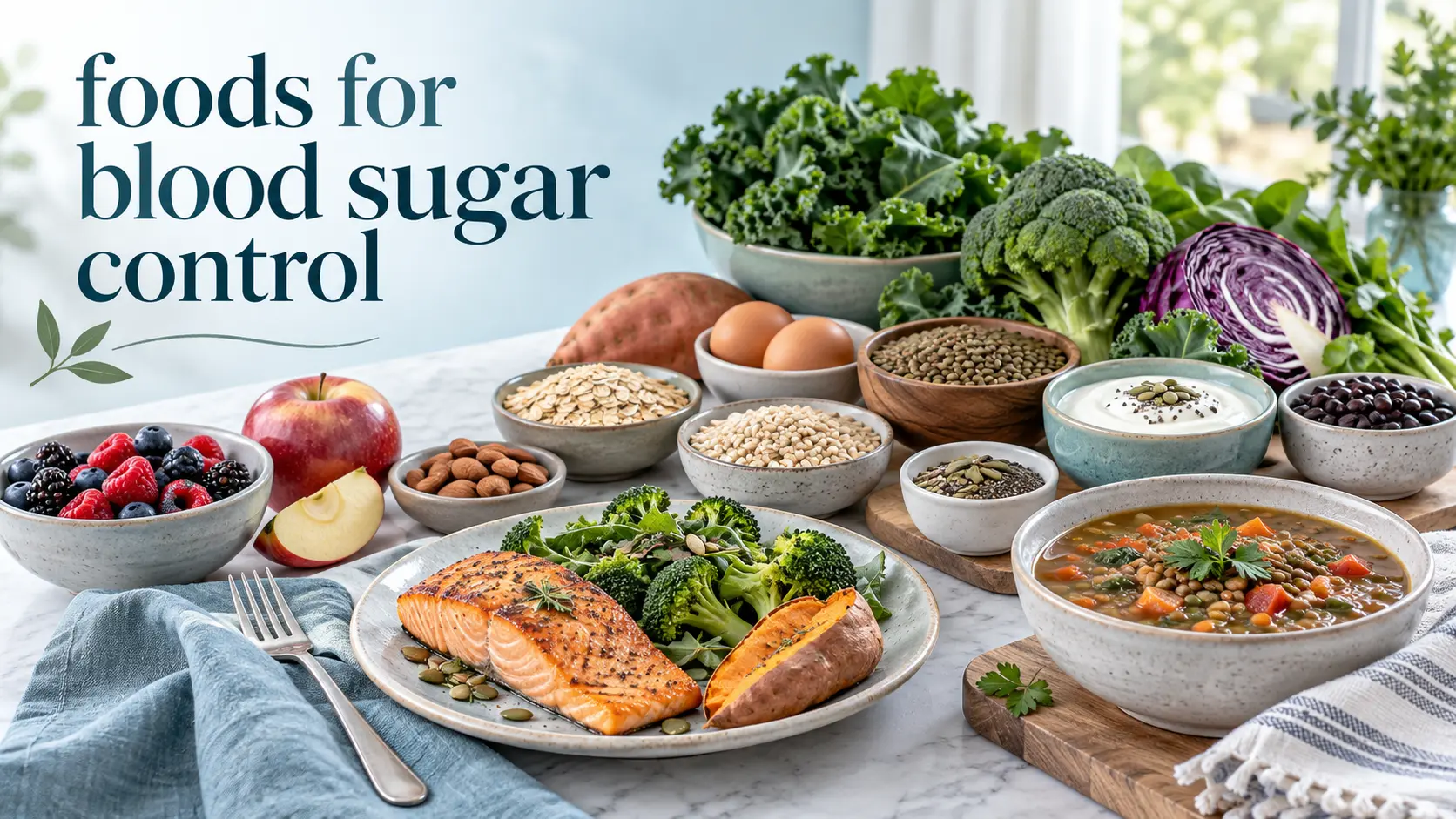
Warm oats, bean soup, lentils, roasted vegetables, barley, apples, pears, citrus fruit, nuts, yogurt, and fish can all fit into a diabetes friendly eating pattern.
The important part is how you use them.
A sweet potato still contains carbohydrate. Beans still raise glucose. Fruit still has natural sugar. Oats still need a sensible portion. None of that makes these foods bad. It simply means that portion size, food pairing, medication, activity, and your own glucose response matter.
Table of Contents
- How food affects blood sugar
- 17 smart winter foods
- 1. Leafy greens
- 2. Broccoli
- 3. Cabbage and Brussels sprouts
- 4. Winter squash
- 5. Sweet potatoes
- 6. Beans and chickpeas
- 7. Lentils
- 8. Oats
- 9. Barley
- 10. Apples
- 11. Pears
- 12. Citrus fruit
- 13. Berries
- 14. Plain yogurt
- 15. Nuts and seeds
- 16. Salmon and sardines
- 17. Eggs
- Build a balanced winter plate
- Winter meal ideas
- What about cinnamon?
- Common mistakes
- When food advice needs adjusting
- References and Sources
- Frequently asked questions
How Can Food Help With Blood Sugar Control?
Carbohydrates have the largest direct effect on blood glucose because the body breaks many carbohydrate foods down into glucose.
That does not mean carbohydrates are forbidden.
It means the type and amount of carbohydrate matter.
Fiber rich carbohydrate foods usually digest more slowly than refined foods. Eating carbohydrate with protein, fat, or fiber can also slow how quickly glucose enters the bloodstream.
The CDC recommends meals built around nonstarchy vegetables, lean protein, and measured portions of carbohydrate foods. The American Diabetes Association also emphasizes vegetables, whole fruits, legumes, whole grains, nuts, seeds, lean proteins, and suitable dairy or nondairy foods.
Think about the whole meal
An apple by itself is different from an apple eaten with a small handful of nuts.
Oats cooked with added sugar differ from plain oats topped with walnuts and berries.
A huge bowl of sweet potato differs from a small sweet potato served with salmon and broccoli.
This is why focusing on one food's glycemic index does not tell the entire story.
There Is No Single Perfect Diabetes Diet
The 2026 American Diabetes Association Standards state that there is no ideal percentage of calories that must come from carbohydrate, protein, and fat for every person with diabetes.
Several eating patterns can work.
These include:
- Mediterranean style eating
- DASH style eating
- Lower carbohydrate approaches
- Plant based eating
- Vegetarian patterns
The common thread is more important than the label.
Choose more whole and minimally processed foods, vegetables, fruit, beans, lentils, nuts, seeds, whole grains, and suitable protein foods while reducing sugary drinks, refined grains, sweets, and heavily processed foods.
If you also manage high blood pressure, read the NextFitLife DASH Diet Guide.
17 Smart Foods for Blood Sugar Control This Winter
Winter produce varies by country and climate.
Some foods below are true winter crops in many regions. Others are foods that store well, freeze well, or work especially well in warm winter meals.
| No. | Food | Why It Fits | Watch | Easy Winter Use |
|---|---|---|---|---|
| 1 | Leafy greens | Fiber and low carbohydrate load | Sauces and added salt | Soup, eggs, warm salad |
| 2 | Broccoli | Fiber rich nonstarchy vegetable | Heavy cheese sauces | Roasted or steamed |
| 3 | Cabbage | Fiber and volume | Sugary dressings | Soup or stir fry |
| 4 | Winter squash | Fiber and useful nutrients | Counts as carbohydrate | Roasted or soup |
| 5 | Sweet potato | Fiber and nutrient rich carbohydrate | Portion size | Baked with protein |
| 6 | Beans and chickpeas | Fiber plus plant protein | Still contain carbohydrate | Stew or soup |
| 7 | Lentils | Fiber and plant protein | Portion still matters | Lentil soup |
| 8 | Oats | Whole grain with soluble fiber | Added sugar and large bowls | Hot porridge |
| 9 | Barley | Whole grain and fiber | Carbohydrate portion | Soup or grain bowl |
| 10 | Apples | Whole fruit and fiber | Juice and sweet sauces | Fresh or baked without added sugar |
| 11 | Pears | Whole fruit with fiber | Syrup packed fruit | Snack with nuts |
| 12 | Citrus fruit | Whole fruit plus fiber | Juice raises glucose faster | Whole orange or grapefruit |
| 13 | Berries | Fiber and whole fruit nutrients | Sweetened frozen berries | Fresh or frozen with yogurt |
| 14 | Plain yogurt | Protein with moderate carbohydrate | Added sugars | Top with nuts and berries |
| 15 | Nuts and seeds | Healthy fats, fiber, protein | Energy dense | Small handful or topping |
| 16 | Salmon and sardines | Protein and unsaturated fats | Salt in canned or smoked products | Bake or add to salad |
| 17 | Eggs | Protein with very little carbohydrate | What you cook them with | Eggs with vegetables |
1. Leafy Greens
Spinach, kale, collard greens, chard, and similar vegetables are useful non-starchy vegetables.
They provide fiber and many vitamins and minerals without adding a large carbohydrate load to the meal.
They also make it easier to increase food volume without filling half the plate with rice, pasta, bread, or potatoes.
Easy winter idea
Add spinach or kale to lentil soup, eggs, beans, chicken soup, or a warm grain bowl.
Frozen spinach works too.
2. Broccoli
Broccoli is another useful nonstarchy vegetable.
It adds fiber, texture, and volume to meals while keeping carbohydrate relatively low compared with starchy side dishes.
Pair it with
- Salmon
- Chicken
- Tofu
- Eggs
- Beans
Roast it with olive oil, garlic, pepper, and herbs instead of burying it under a sugary sauce.
3. Cabbage and Brussels Sprouts
Cabbage is inexpensive, stores well, and works in soups, stews, stir-fries, and warm salads.
Brussels sprouts can fill the same role.
Both help you build a larger vegetable portion without adding a large amount of carbohydrate.
Watch the extras
Cabbage itself is not the problem.
Sugary slaw dressing, large amounts of bacon, or sweet glaze can change the nutrition of the dish.
4. Winter Squash
Butternut squash, acorn squash, and pumpkin can fit into diabetes meal planning.
They provide fiber, carotenoids, and other nutrients.
But squash is not “free food.”
Many winter squash varieties contain enough carbohydrate that the portion should be counted as part of the carbohydrate section of the meal.
Better way to serve it
Try roasted squash with grilled chicken, fish, tofu, or lentils plus a large serving of nonstarchy vegetables.
5. Sweet Potatoes
Sweet potatoes are often described online as if they do not raise glucose.
They do.
Sweet potatoes contain carbohydrate, and portion size matters.
What makes them useful is that they can provide fiber, potassium, carotenoids, and other nutrients in a minimally processed form.
A smarter winter plate
Instead of filling half the plate with sweet potato, try a smaller portion with salmon, chicken, beans, eggs, or tofu and plenty of vegetables.
6. Beans and Chickpeas
Kidney beans, black beans, white beans, pinto beans, and chickpeas provide both carbohydrates and plant protein.
They are also rich in fiber.
This combination makes beans useful in a blood sugar friendly meal pattern.
However, saying beans are “low carb” is inaccurate.
They contain carbohydrate and should be included in your meal planning.
Winter uses
- Bean soup
- Chickpea stew
- Vegetable chili
- Bean and barley soup
If you use canned beans, choose lower sodium versions when possible and rinse them.
7. Lentils
Lentils are one of the easiest winter foods to build a balanced meal around.
They provide fiber, carbohydrate, and plant protein in the same food.
Red, green, brown, and black lentils can all fit.
Simple lentil soup
Cook lentils with onion, garlic, carrots, tomatoes, spinach, and spices.
Add a side of nonstarchy vegetables instead of turning the meal into a large bowl of lentils plus bread plus rice.
More carbohydrate is not automatically bad, but portions add together.
8. Oats
Plain oats provide whole grain carbohydrate and soluble fiber.
A bowl of oatmeal can fit into a diabetes meal plan, but the toppings matter.
Build a better bowl
Try:
- Plain rolled or steel cut oats
- Walnuts or almonds
- Chia or ground flaxseed
- Berries
- Plain yogurt on the side
Limit large amounts of honey, maple syrup, brown sugar, sweetened dried fruit, or flavored instant oatmeal.
9. Barley
Barley is a useful whole grain for cold weather soups and bowls.
It contains soluble fiber and can replace part of the refined grain in a meal.
Try it in
- Vegetable soup
- Chicken and barley soup
- Mushroom barley
- Bean and barley stew
Barley still contains carbohydrate, so more is not always better.
10. Apples
Whole apples can fit well in a diabetes eating plan.
The skin adds fiber, and chewing a whole apple is very different from drinking apple juice.
Juice removes much of the natural structure and makes it easier to consume a larger carbohydrate amount quickly.
Pair an apple with
- Peanut butter
- Almonds
- Walnuts
- Plain yogurt
- A small piece of cheese
This adds protein or fat to the snack.
11. Pears
Pears provide natural sweetness and fiber.
They can be eaten fresh or gently baked.
Keep the skin when practical because much of the fiber is near the outer part of the fruit.
Avoid turning fruit into dessert syrup
A baked pear with cinnamon and a few walnuts is different from a pear cooked in sugar syrup and covered with ice cream.
The food around the fruit matters.
12. Citrus Fruit
Oranges, mandarins, grapefruit, and similar citrus fruits can be useful winter fruit choices.
Choose the whole fruit more often than juice.
The CDC notes that fruit juice raises glucose faster than whole fruit because whole fruit retains more fiber and requires more chewing.
A medicine caution
Grapefruit can interact with some medicines.
If you take cholesterol, heart, blood pressure, transplant, or other medicines, ask your pharmacist whether grapefruit is safe with them.
13. Berries
Fresh berries may be expensive or unavailable in winter, but unsweetened frozen berries work well.
They provide fiber and allow you to add sweetness without using syrup or large amounts of added sugar.
Use them with
- Plain yogurt
- Oatmeal
- Chia seeds
- Walnuts
Check frozen fruit packages to make sure sugar was not added.
14. Plain Yogurt
Plain yogurt provides protein and can fit into breakfast or snacks.
Greek style yogurt often contains more protein than regular yogurt, although brands differ.
Read the label
Fruit flavored yogurt can contain substantial added sugar.
A simple option is plain yogurt with berries, chopped apple, nuts, or seeds.
Milk and yogurt contain natural carbohydrate, so they still count in meal planning.
15. Nuts and Seeds
Walnuts, almonds, pistachios, peanuts, chia seeds, flaxseed, and pumpkin seeds provide unsaturated fats, protein, and fiber.
The 2026 ADA Standards specifically encourage more plant protein sources such as nuts, seeds, and legumes and note the cardiovascular benefits of Mediterranean style eating patterns rich in nuts, seeds, and fish.
Keep the portion practical
Nuts are nutrient dense.
They are also calorie dense.
A small handful can be enough for a snack or topping.
Choose unsalted versions when blood pressure is also a concern.
16. Salmon and Sardines
Fish such as salmon and sardines contain protein and unsaturated fats while providing little or no carbohydrate on their own.
That makes them easy to pair with a controlled portion of carbohydrate.
Simple plate
Try salmon with:
- Roasted broccoli
- A small sweet potato
- Cabbage
- Barley
- Leafy greens
If you use canned sardines or salmon, compare sodium on the label.
17. Eggs
Eggs provide protein with very little carbohydrate.
They can make breakfast more balanced when the alternative is a meal made almost entirely from toast, sweet cereal, pastry, or juice.
Winter breakfast idea
Cook eggs with spinach, mushrooms, peppers, or tomatoes.
Add a measured serving of whole grain toast or oats if desired.
The goal is balance, not zero carbohydrate.
The Simple Plate Method for Blood Sugar Control
You do not need to calculate the glycemic index of every ingredient.
The diabetes plate method gives you a simple visual starting point.
| Plate Area | Food Type | Winter Examples |
|---|---|---|
| Half | Nonstarchy vegetables | Broccoli, cabbage, spinach, kale, Brussels sprouts, green beans |
| One quarter | Protein | Fish, chicken, eggs, tofu, beans |
| One quarter | Quality carbohydrate | Sweet potato, barley, oats, beans, lentils, winter squash, whole grains |
| Drink | Unsweetened beverage | Water, sparkling water, unsweetened tea |
This is a starting framework, not a fixed prescription.
People using insulin, pregnant people, athletes, children, older adults, and people with kidney disease may need something different.
Why Fiber Matters
Dietary fiber is a carbohydrate that the body does not digest in the same way as starch and sugar.
Higher fiber foods can help with fullness, digestion, blood glucose management, and heart health.
The 2026 ADA guidance recommends emphasizing minimally processed, nutrient dense carbohydrate sources and at least 14 grams of fiber per 1,000 calories.
Good winter fiber sources include
- Beans
- Lentils
- Oats
- Barley
- Apples
- Pears
- Berries
- Vegetables
- Nuts
- Seeds
If you currently eat little fiber, increase it gradually and drink enough fluid unless you have been told to restrict fluid.
Seven Easy Winter Meals for Blood Sugar Control
1. Lentil vegetable soup
Use lentils, tomatoes, carrots, onion, spinach, garlic, and herbs.
Add extra nonstarchy vegetables and keep bread or rice portions sensible.
2. Salmon with broccoli and sweet potato
This gives you protein, vegetables, and a measured starchy carbohydrate in one simple plate.
3. Oatmeal with berries and walnuts
Use plain oats instead of heavily sweetened instant oatmeal.
Add berries and a small amount of walnuts or seeds.
4. Egg and vegetable breakfast
Cook eggs with spinach, mushrooms, peppers, or tomatoes.
Add a small serving of whole grain toast if it fits your meal plan.
5. Chicken and barley soup
Add cabbage, celery, carrots, greens, and herbs.
Watch sodium if using packaged stock.
6. Chickpea vegetable stew
Combine chickpeas with tomatoes, zucchini, spinach, cabbage, and warming spices.
Avoid automatically serving a large portion of rice and bread with it.
7. Plain yogurt bowl
Use plain yogurt with berries, chopped pear, chia seeds, and a small amount of nuts.
This can work as breakfast or a snack.
Seven Winter Snacks That Pair Carbohydrate With Protein or Fat
- Apple with peanut butter
- Pear with walnuts
- Plain yogurt with berries
- Orange with a small handful of almonds
- Whole grain crackers with hummus
- Hard boiled egg with vegetable sticks
- Plain yogurt with chia seeds
Pairing foods does not make carbohydrate disappear.
It can make a snack more balanced and filling.
Whole Fruit Is Usually a Better Choice Than Juice
Fruit does not need to be banned because you have diabetes.
The key is choosing whole fruit more often and using an appropriate portion.
Whole fruit retains fiber and takes longer to eat.
Juice can deliver a larger amount of carbohydrate quickly and is easier to over-consume.
This is especially relevant to oranges, apples, and other winter fruits.
What About Cinnamon for Blood Sugar?
The old version of this article treated cinnamon as if it were a reliable blood sugar tool.
The evidence is not strong enough for that claim.
Cinnamon is fine as a spice.
Use it because you like the flavor.
It can make plain oats, apples, pears, and yogurt taste sweeter without adding sugar.
But the American Diabetes Association does not recommend cinnamon, herbs, or micronutrient supplements as treatments for improving glucose control.
Cinnamon is seasoning, not diabetes medicine.
What About Garlic and Onions?
Garlic and onions are useful ways to add flavor to vegetables, beans, fish, soups, and stews.
They can help you build satisfying meals without depending on sugar heavy sauces or excessive salt.
But you do not need to eat raw garlic or large amounts of onion to “lower blood sugar.”
Treat them as nutritious ingredients, not medicine.
Do Low Glycemic Foods Guarantee a Small Glucose Rise?
No.
Glycemic index can be useful, but it does not tell you exactly what your glucose will do.
Your response can change with:
- Portion size
- Cooking method
- Food ripeness
- Protein and fat in the meal
- Fiber
- Medication
- Insulin dose
- Exercise
- Sleep
- Stress
- Illness
This is why real meal patterns matter more than chasing one low glycemic food.
Can You Eat Potatoes With Diabetes?
Yes.
White potatoes and sweet potatoes both contain carbohydrate.
You do not need to ban either one.
Use a portion that fits your needs and pair it with vegetables and protein.
The preparation matters too.
A baked potato with fish and broccoli is a different meal from a large serving of fries plus a sugary drink.
Can You Eat Oats Every Day?
Plain oats can fit regularly for many people.
But your glucose response matters.
If you monitor glucose, compare how different portions and toppings affect you.
Some people do well with oats. Others may need a smaller portion or more protein alongside them.
There is no rule that every person with diabetes must eat oatmeal.
Should You Avoid All Carbohydrates?
No.
The body can use carbohydrate foods as part of a balanced diet.
Vegetables, beans, lentils, fruit, milk, yogurt, whole grains, and starchy vegetables all contain carbohydrate.
Removing them all can also remove fiber and useful nutrients.
Some people choose a lower carbohydrate eating pattern, which can improve glucose for some adults. That plan should still focus on nutrient quality and fit the person's medicines and health conditions.
Eight Common Blood Sugar Food Mistakes
1. Searching for one food that lowers glucose
No winter vegetable, spice, fruit, nut, or drink can replace a full diabetes treatment plan.
2. Calling beans and sweet potatoes low carb foods
They are nutritious carbohydrate foods.
Portion still matters.
3. Drinking fruit instead of eating it
Whole fruit usually provides more fiber and is easier to portion than juice.
4. Adding large amounts of honey because it is natural
Honey still contains sugar and can raise glucose.
5. Ignoring drinks
Sweet tea, regular soda, juice, flavored coffee, and energy drinks can add significant carbohydrate.
6. Turning healthy foods into huge portions
Whole grains, fruit, beans, nuts, and sweet potatoes are nutritious, but portion still matters.
7. Treating cinnamon as medicine
Use it for flavor, not as a replacement for proven treatment.
8. Changing carbohydrate intake without considering medicine
If you use insulin or medicines that cause hypoglycemia, a big diet change may change your glucose pattern.
When These Foods Need Extra Care
Kidney disease
Some foods on this list contain substantial potassium or phosphorus.
That includes certain beans, lentils, nuts, dairy foods, oranges, sweet potatoes, and other foods.
This does not automatically mean you must avoid them.
Kidney disease changes nutrition needs differently from person to person.
NIDDK advises that people with chronic kidney disease may need personalized limits for potassium, phosphorus, protein, sodium, or fluid as kidney function changes.
Read Diabetes and Kidney Disease and Kidney Disease Symptoms for more context.
Insulin or sulfonylureas
These medicines can cause low glucose.
Do not suddenly cut carbohydrate without understanding how your treatment should change.
Pregnancy
Pregnancy changes calorie, carbohydrate, protein, and glucose targets.
Gestational diabetes and preexisting diabetes during pregnancy require individualized care.
Eating disorders or severe food anxiety
Strict food rules can make these problems worse.
Ask for help from professionals experienced in both diabetes and eating disorders.
How to Shop for Winter Blood Sugar Friendly Foods
Vegetables
- Fresh broccoli
- Frozen broccoli
- Spinach
- Kale
- Cabbage
- Brussels sprouts
- Winter squash
Carbohydrate foods
- Plain oats
- Barley
- Sweet potatoes
- Beans
- Lentils
- Chickpeas
Fruit
- Apples
- Pears
- Oranges
- Mandarins
- Unsweetened frozen berries
Protein and healthy fats
- Eggs
- Salmon
- Sardines
- Plain yogurt
- Walnuts
- Almonds
- Seeds
Five Simple Rules I Would Use Instead of a “Diabetic Foods” List
- Fill a large part of the meal with nonstarchy vegetables.
- Include a protein source.
- Choose high fiber carbohydrate more often than refined carbohydrate.
- Watch the amount, not just the food name.
- Use glucose results and professional guidance to personalize the plan.
These rules are more useful than memorizing dozens of foods that are supposedly “good” or “bad.”
Conclusion: Use Foods for Blood Sugar Control as Part of the Complete Meal
The best foods for blood sugar control are foods you can use to build balanced meals repeatedly.
Leafy vegetables, broccoli, cabbage, beans, lentils, oats, barley, whole fruit, plain yogurt, nuts, fish, eggs, squash, and sweet potatoes can all fit.
None of them needs to be perfect.
Start with one change this week. Add vegetables to one meal, replace juice with whole fruit, swap a refined grain for beans or barley, or pair your fruit with protein or healthy fat.
Then watch the pattern rather than chasing a single reading.
If you have diabetes and your glucose remains above or below your personal target, discuss the pattern with your healthcare team instead of trying to fix medication problems with food alone.
Explore More NextFitLife Diabetes and Nutrition Guides
- Type 2 Diabetes Guide
- Type 1 Diabetes Guide
- Differences Between Type 1 Diabetes and Type 2
- Diabetes and Heart Diseases
- Diabetes and Kidney Disease
- DASH Diet Guide
- Healthy Foods Guide
- Nutrition and Vitamins Hub
- NextFitLife Health Hub
References and Sources
- American Diabetes Association Professional Practice Committee. Facilitating Positive Health Behaviors and Well Being to Improve Health Outcomes: Standards of Care in Diabetes 2026. Covers individualized meal plans, high fiber carbohydrate, whole fruits, legumes, whole grains, nuts, seeds, fish, plant protein, beverages, and diabetes eating patterns.
Read the 2026 ADA nutrition guidance - Centers for Disease Control and Prevention. Diabetes Meal Planning. Covers carbohydrate counting, the diabetes plate method, whole fruit, protein, fat, fiber, vegetables, and balanced meals.
Read the CDC meal planning guide - Centers for Disease Control and Prevention. Fiber: The Carb That Helps You Manage Diabetes. Covers fiber rich foods, blood glucose management, whole grains, legumes, vegetables, fruit, nuts, and gradual fiber increases.
Read the CDC fiber guide - National Institute of Diabetes and Digestive and Kidney Diseases. Healthy Living With Diabetes. Covers individualized eating plans, food choices, physical activity, weight care, medicines, and working with a diabetes care team.
Read the NIDDK diabetes lifestyle guide - National Institute of Diabetes and Digestive and Kidney Diseases. Healthy Eating for Adults With Chronic Kidney Disease. Covers individualized potassium, phosphorus, protein, sodium, and fluid considerations when kidney disease changes ordinary diabetes nutrition advice.
Read the NIDDK kidney nutrition guide
These organizations do not endorse NextFitLife. Food choices and carbohydrate needs should be individualized when you use insulin, take glucose lowering medicines, have kidney disease, are pregnant, are an athlete, or have another condition that changes nutrition needs.
About the Author
Adel Galal is the Founder and Lead Writer of NextFitLife. He researches diabetes, nutrition, fitness, heart health, kidney health, blood pressure, weight management, and healthy aging using recognized medical and public health guidance.
His approach to diabetes nutrition is simple: food should be practical, enjoyable, and evidence based. He avoids labeling ordinary foods as miracle treatments and focuses instead on portions, meal composition, fiber, protein, food quality, glucose response, medicines, and long term health.
Adel is not a doctor, endocrinologist, registered dietitian, certified diabetes care and education specialist, pharmacist, or other licensed healthcare professional.
This content is for general educational purposes and does not replace professional medical advice, diagnosis, or treatment. Consult an appropriately qualified healthcare professional for personal medical concerns. This article explains published guidance and does not provide a personal clinical assessment. Always consult qualified medical professionals for diagnosis and treatment of any health condition.
Learn more about Adel, NextFitLife, and the site's editorial standards at About NextFitLife and Founder Adel Galal.
Frequently Asked Questions About Foods for Blood Sugar Control
What are the best foods for blood sugar control?
Useful foods include non-starchy vegetables, beans, lentils, whole grains, whole fruit, nuts, seeds, suitable protein foods, and plain dairy or nondairy foods. Portion and meal composition matter as much as the food name.
What winter foods are good for blood sugar?
Good options include leafy greens, broccoli, cabbage, winter squash, sweet potatoes, lentils, beans, oats, barley, apples, pears, citrus fruit, nuts, fish, eggs, and plain yogurt.
Can one food lower blood sugar quickly?
No ordinary food should be used as a quick treatment for significant high glucose. Follow your diabetes treatment plan and contact your healthcare team when readings remain high.
Are sweet potatoes good for diabetes?
Sweet potatoes can fit. They provide fiber and useful nutrients, but they are still a carbohydrate food. Portion size and the rest of the meal affect glucose response.
Are beans good for blood sugar?
Beans provide fiber and plant protein and can be part of a diabetes friendly eating pattern. They also contain carbohydrate, so portions still matter.
Are lentils good for diabetes?
Yes. Lentils provide fiber, carbohydrate, protein, minerals, and a satisfying base for soups and stews. They still need to be included in carbohydrate planning.
Are oats good for blood sugar control?
Plain oats can fit into many diabetes eating plans. Choose sensible portions and consider pairing them with nuts, seeds, yogurt, or other protein foods.
Is oatmeal better than cereal for diabetes?
Plain oatmeal often provides more intact whole grain and fiber than highly refined sweetened cereal, but nutrition labels and portions should still be compared.
Can people with diabetes eat apples?
Yes. Whole apples can fit into a diabetes eating plan. Pairing fruit with nuts, yogurt, or another protein or fat source can make the snack more balanced.
Can people with diabetes eat oranges?
Yes. Whole oranges can fit. Whole fruit is usually a better everyday choice than orange juice because it retains more fiber and is easier to portion.
Are berries good for diabetes?
Berries provide fiber and can add sweetness to yogurt or oats. Fresh and unsweetened frozen berries can both work.
Are nuts good for blood sugar?
Nuts provide healthy fats, protein, and fiber with relatively little carbohydrate. Keep the portion moderate because nuts are energy dense.
Is yogurt good for diabetes?
Plain unsweetened yogurt can fit well. Check the label because flavored yogurts can contain substantial added sugar.
Is salmon good for diabetes?
Salmon provides protein and unsaturated fats with almost no carbohydrate on its own. It can be paired with vegetables and a controlled portion of carbohydrate.
Are eggs good for diabetes?
Eggs provide protein with little carbohydrate and can fit into a balanced diabetes eating pattern. The rest of the meal and your overall diet still matter.
Does cinnamon lower blood sugar?
Cinnamon is useful as a flavoring, but current diabetes guidance does not recommend cinnamon or herbal supplements as proven treatments for improving glucose control.
Does garlic lower blood sugar?
Garlic is a useful ingredient, but it should not be treated as diabetes medicine. Use it to add flavor to healthy meals.
Can people with diabetes eat potatoes?
Yes. Potatoes contain carbohydrate, so portion matters. Pair them with vegetables and protein instead of treating them as an unlimited food.
Can people with diabetes eat fruit?
Yes. Whole fruit can fit into diabetes meal planning. Portion size matters, and whole fruit is generally preferred to juice.
Should people with diabetes avoid carbohydrates?
No universal rule requires complete carbohydrate avoidance. High quality carbohydrate sources such as vegetables, beans, lentils, whole fruit, dairy, and whole grains can fit into an individualized eating plan.
What is the diabetes plate method?
It uses half the plate for nonstarchy vegetables, one quarter for protein, and one quarter for carbohydrate food, with water or another low calorie drink.
How much fiber should someone with diabetes eat?
The 2026 ADA Standards recommend emphasizing high fiber carbohydrate sources and generally at least 14 grams of fiber per 1,000 calories.
Can diet replace diabetes medicine?
No. Nutrition is important, but do not stop insulin or prescribed medicine unless the healthcare professional managing your diabetes changes the plan.
Why can blood sugar rise even after a healthy meal?
Portion size, carbohydrate amount, medicine, insulin timing, stress, sleep, illness, exercise, hormones, and individual metabolism can all change the glucose response.
Do diabetes foods change when you have kidney disease?
They can. Kidney disease may require different amounts of potassium, phosphorus, protein, sodium, or fluid, so a renal dietitian or kidney care team should individualize the plan.
Is a ketogenic diet safe with diabetes?
It is not appropriate for everyone. The ADA specifically discourages ketogenic eating patterns for people taking SGLT2 inhibitors because of the risk of diabetic ketoacidosis.

Health & wellness writer with 30+ years of experience in nutrition, fitness, and healthy aging. Founder of NextFitLife.com — evidence-based health guidance.