
First published: Apr 2, 2023
Last updated: September 28, 2026
Written and source checked by: Adel Galal, Founder and Lead Writer at NextFitLife
Medical review status: This educational article has not been medically reviewed by a pediatric gastroenterologist, pediatric pancreatologist, doctor, pharmacist, or registered pediatric dietitian.
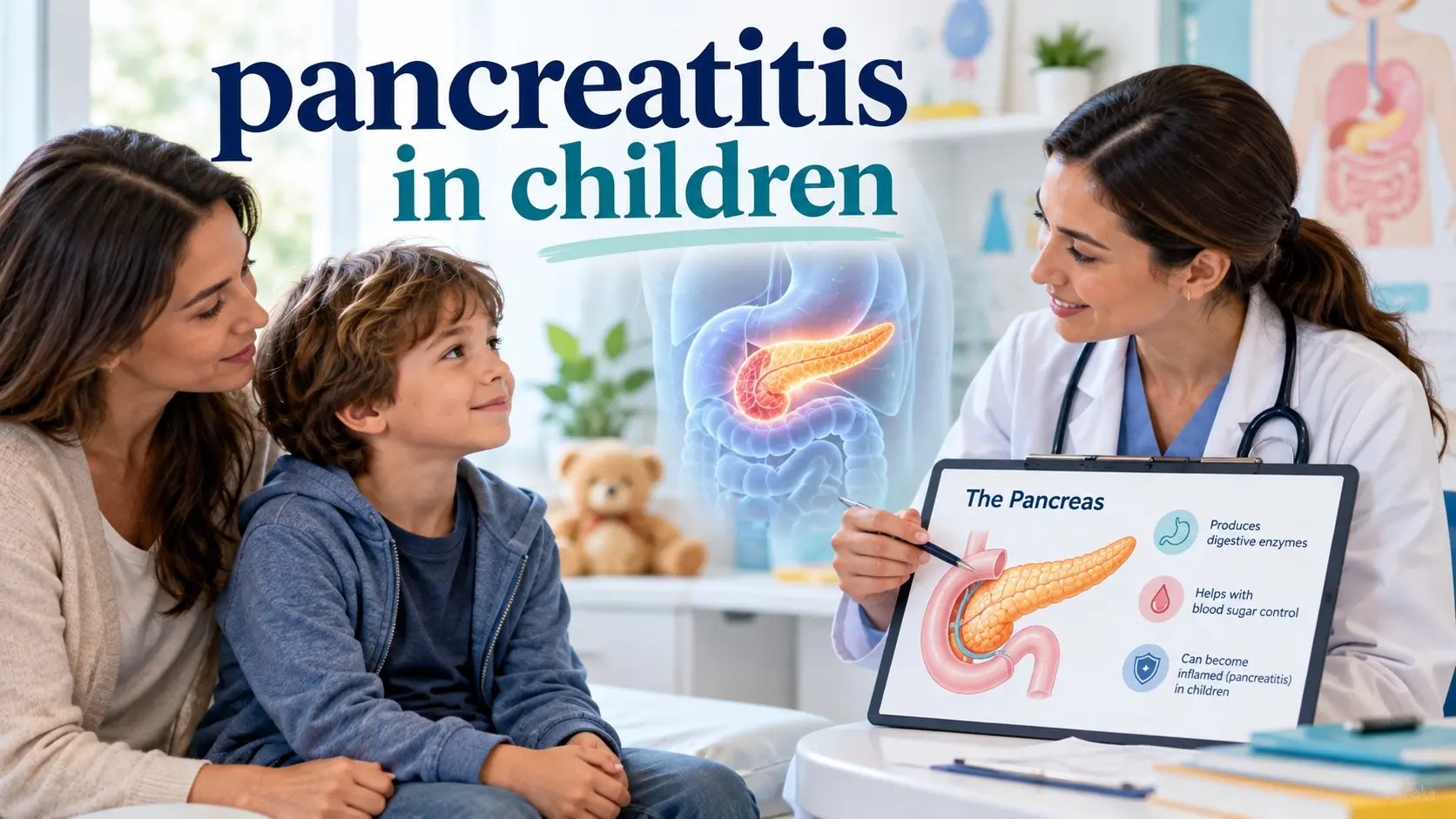
Pancreatitis in children is inflammation of the pancreas. It can cause severe belly pain, vomiting, poor appetite, and dehydration, but younger children may only seem unusually irritable or unable to explain where they hurt.
Children can develop pancreatitis for very different reasons than adults.
Abdominal injury, medicines, infections, gallstones, high triglycerides, inherited gene changes, pancreatic duct abnormalities, autoimmune disease, and other medical conditions can all play a role.
Quick answer: There are three main forms of pediatric pancreatitis: acute pancreatitis, acute recurrent pancreatitis, and chronic pancreatitis. Diagnosis usually requires at least two of three findings: typical abdominal pain, amylase or lipase at least three times the upper limit of normal, or imaging that shows pancreatitis. Most children with a first acute attack recover, but repeated episodes need a deeper search for genetic, structural, metabolic, and other causes.
One of the most useful things parents can know is that pediatric pancreatitis is not simply adult pancreatitis happening in a smaller body.
The causes, long term risks, nutrition needs, and testing strategy can be different.
Medical notice: This content is for general educational purposes and does not replace professional medical advice, diagnosis, or treatment. Consult an appropriately qualified healthcare professional for personal medical concerns. This article explains published guidance and does not provide a personal clinical assessment. Always consult qualified medical professionals for diagnosis and treatment of any health condition.
Table of Contents
- What the pancreas does
- The 3 types of pediatric pancreatitis
- 12 essential facts parents should know
- Major causes in children
- Genetic and inherited causes
- Pancreatic duct and anatomy problems
- Symptoms by age
- How doctors diagnose pancreatitis
- Blood tests and imaging
- Acute pancreatitis treatment
- Nutrition and early feeding
- Recurrent and chronic pancreatitis care
- Pancreatic enzymes and digestion
- Diabetes and growth
- When children need specialist care
- Emergency warning signs
- References and Sources
- Related NextFitLife guides
- About the author
- Frequently asked questions
What Does the Pancreas Do in a Child's Body?
The pancreas sits behind the stomach.
It has two major jobs.
First, it releases digestive enzymes that help the intestine break down fat, protein, and carbohydrate.
Second, it makes hormones such as insulin and glucagon that help control blood glucose.
During pediatric pancreatitis, pancreatic tissue becomes inflamed. In a severe attack, the inflammation can affect nearby tissues and other organs.
If pancreatic injury becomes chronic, a child may eventually have trouble digesting food or controlling blood sugar.
There Are 3 Main Types of Pancreatitis in Children
Pediatric pancreatitis is commonly classified as acute, acute recurrent or chronic.
1. Acute Pancreatitis
Acute pancreatitis is a sudden episode of pancreatic inflammation.
Most children recover and return to their normal health after the attack.
Some children have only one episode in their lifetime.
2. Acute Recurrent Pancreatitis
Acute recurrent pancreatitis, often shortened to ARP, means the child has at least two separate episodes of acute pancreatitis with recovery between attacks.
This diagnosis should trigger a closer search for an underlying reason.
Genetic changes, duct abnormalities, metabolic problems, and other conditions become more important when attacks keep returning.
3. Chronic Pancreatitis
Chronic pancreatitis means the pancreas has developed permanent structural damage.
There may be scarring, duct changes, stones, or loss of pancreatic function.
Over time, chronic disease can cause:
- Repeated or persistent abdominal pain
- Poor digestion
- Exocrine pancreatic insufficiency
- Greasy stools
- Weight loss
- Poor growth
- Vitamin deficiencies
- Diabetes
The 3 Types Compared
| Type | What It Means | What Happens Between Attacks |
|---|---|---|
| Acute | One sudden inflammatory episode | Most children recover fully |
| Acute recurrent | Two or more separate acute attacks | The child returns toward baseline between episodes |
| Chronic | Permanent pancreatic damage has developed | Structural or functional problems remain |
12 Essential Facts About Pancreatitis in Children
1. Children Get Pancreatitis for Different Reasons Than Adults
In adults, gallstones and alcohol explain a large share of pancreatitis.
The pediatric picture is broader.
Important causes and risk factors in children include:
- Abdominal trauma
- Medicines
- Viral and other infections
- Systemic illness
- Gallstones
- Bile duct abnormalities
- Pancreatic duct abnormalities
- Very high triglycerides
- High blood calcium
- Genetic changes
- Autoimmune pancreatitis
- Some inherited metabolic conditions
Sometimes no cause is found after the first attack.
Doctors call this idiopathic pancreatitis.
2. Trauma Is an Important Pediatric Cause
A strong blow to the abdomen can injure the pancreas.
This can happen with:
- Bicycle handlebar injuries
- Car crashes
- Sports injuries
- Falls
- Other blunt abdominal trauma
The pancreas sits deep in the abdomen, so an injury may not always be obvious from the outside.
Persistent upper abdominal pain or vomiting after significant abdominal trauma needs medical assessment.
3. Medicines Can Trigger Pancreatitis
Several medicines have been associated with pancreatitis in children.
Examples reported in pediatric literature include some:
- Cancer medicines such as asparaginase
- Immune suppressing medicines such as azathioprine or 6 mercaptopurine
- Anti seizure medicines such as valproate
- Antibiotics
- Anti inflammatory medicines
- Other prescription drugs
A medicine on this list does not automatically mean it caused the pancreatitis.
The timing, dose, other possible causes, and known evidence all need review.
Do not stop a child's medicine without speaking with the prescribing clinician.
4. Infections and Systemic Illness Can Affect the Pancreas
Some infections have been linked with pancreatic inflammation.
Reported viral causes include mumps, cytomegalovirus, and coxsackie virus.
Pancreatitis can also appear during serious systemic illness.
This is different from saying every fever or virus causes pancreatitis.
Most childhood infections do not inflame the pancreas.
5. Gallstones and Bile Duct Problems Matter
Gallstone pancreatitis can occur in children.
A stone or biliary blockage can prevent pancreatic fluid from draining normally.
Risk can be higher in children with some blood disorders, obesity, rapid weight change, certain medicines, or other gallbladder conditions.
Ultrasound is commonly used to look for gallstones or biliary disease.
For more on gallbladder pain, read the NextFitLife Gallbladder Pain Guide.
6. Very High Triglycerides and High Calcium Can Trigger an Attack
Hypertriglyceridemia means triglycerides in the blood are very high.
Severe elevations can trigger pancreatitis.
Doctors evaluating a child with unexplained pancreatitis may check triglycerides and calcium.
Hypercalcemia, or high blood calcium, is another less common metabolic cause.
The goal is not simply to change the child's diet.
The reason behind the abnormal blood test needs to be found.
7. Genetics Become Especially Important When Pancreatitis Returns
This is one of the biggest differences between childhood and typical adult disease.
Research from the international INSPPIRE consortium has found genetic factors frequently in children with recurrent and chronic pancreatitis.
Important pancreatitis associated genes include:
- PRSS1
- SPINK1
- CFTR
- CTRC
Other genes may also be considered depending on the clinical situation and the testing panel.
A genetic finding does not always act alone.
A child can have more than one risk factor at the same time.
8. Pancreatic Anatomy Can Raise Risk
Some children are born with differences in how the pancreas or bile ducts formed.
Examples include:
- Pancreas divisum
- Choledochal abnormalities
- Pancreatic duct narrowing
- Other pancreaticobiliary duct differences
These findings can interfere with drainage or combine with genetic risks.
MRCP is a special MRI that can show the pancreatic and bile ducts without performing an invasive ERCP.
9. Young Children May Not Describe Classic Pancreatitis Pain
Older children and teenagers may describe severe upper abdominal pain that sometimes spreads to the back.
A toddler may not be able to say that.
Parents may notice:
- Irritability
- Crying
- Guarding the abdomen
- Refusing food
- Vomiting
- Reduced activity
- Difficulty getting comfortable
This is why the child's age changes how symptoms are interpreted.
10. Diagnosis Uses More Than One Clue
Pediatric specialists generally diagnose acute pancreatitis when at least two of the following three findings are present:
- Abdominal pain that fits acute pancreatitis
- Amylase or lipase at least three times the upper limit of normal
- Imaging findings consistent with acute pancreatitis
A high lipase level alone does not tell the whole story.
The child's symptoms and other findings still matter.
11. Mild Pediatric Pancreatitis Does Not Require Days of Routine Fasting
Older pancreatitis care often kept patients without food so the pancreas could “rest.”
Pediatric guidance has moved away from routine prolonged fasting.
NASPGHAN and ESPGHAN recommend starting children with mild acute pancreatitis on a normal oral diet as soon as they can tolerate it, preferably within about 48 hours.
Children with severe disease should also receive enteral nutrition as early as practical once they are stable.
Nutrition through the stomach or intestine is preferred over intravenous nutrition when possible.
12. Repeated Pancreatitis Needs Long Term Follow Up
Most children with one uncomplicated acute attack recover.
A child with recurrent or chronic disease needs more.
Follow up may include checking:
- Growth
- Weight
- Nutrition
- Vitamin levels
- Digestive enzyme function
- Blood glucose
- Pancreatic imaging
- Pain
- School attendance
- Emotional wellbeing
INSPPIRE data show that recurrent and chronic pancreatitis can create a substantial burden for children and families, including pain, emergency visits, hospital stays, missed school, EPI, and diabetes.
What Symptoms Should Parents Watch For?
The most common symptom is abdominal pain.
Possible symptoms include:
- Upper abdominal pain
- Pain spreading to the back
- Nausea
- Vomiting
- Poor appetite
- Fever
- Abdominal tenderness
- Irritability in younger children
Jaundice can occur in some children, especially when the bile duct is blocked.
A fast heartbeat, dehydration, breathing trouble, or severe weakness can signal more serious illness.
What Does Chronic Pancreatitis Look Like in a Child?
Chronic pancreatic damage can change the symptom pattern.
Instead of one sudden attack, parents may notice:
- Repeated abdominal pain
- Ongoing abdominal pain
- Poor weight gain
- Weight loss
- Bloating
- Gas
- Foul smelling greasy stool
- Diarrhea
- Difficulty absorbing nutrients
The pancreas may also lose some ability to control blood glucose.
That can eventually lead to pancreatic diabetes, sometimes called type 3c diabetes.
How Is Pancreatitis Diagnosed in Children?
The first evaluation may include:
- Medical history
- Physical examination
- Lipase
- Amylase
- Liver tests
- Triglycerides
- Calcium
- Other blood tests based on the clinical picture
Ultrasound is useful because it does not use radiation and can look for gallstones, bile duct changes, and some pancreatic abnormalities.
Imaging can still be normal in a child with acute pancreatitis.
When Are MRI, MRCP, or CT Used?
An MRI can show the pancreas and surrounding tissues.
MRCP focuses on the pancreatic and bile ducts and is particularly useful when doctors suspect structural or obstructive problems.
CT can also show pancreatitis and its complications, but pediatric teams try to use imaging thoughtfully because CT uses ionizing radiation.
Young children sometimes need sedation for MRI because they have to remain still.
Is ERCP a Routine Test?
No.
ERCP is an endoscopic procedure that can examine and treat selected pancreatic or bile duct problems.
It is invasive and can itself cause pancreatitis.
Modern pediatric care generally reserves ERCP for situations where the procedure may provide a clear treatment benefit, such as removing a stone or treating a significant duct obstruction.
MRCP or endoscopic ultrasound can sometimes provide information without performing ERCP.
What Tests Are Used When Pancreatitis Keeps Returning?
When a child develops acute recurrent pancreatitis, the evaluation becomes broader.
Depending on the case, doctors may consider:
- MRI or MRCP
- Genetic testing
- Sweat chloride testing for cystic fibrosis
- Detailed pancreatic function testing
- Further metabolic tests
- Autoimmune testing
- Endoscopic ultrasound
A pediatric gastroenterologist or pediatric pancreas center can help coordinate this workup.
How Is Acute Pancreatitis Treated in Children?
Treatment depends on severity and cause.
Supportive treatment may include:
- Fluids
- Pain relief
- Medicine for nausea
- Early food when tolerated
- Monitoring breathing, circulation, and kidney function in more serious illness
Many children with significant pancreatitis are treated in hospital.
The underlying cause also needs attention.
A gallstone may require a procedure or surgery. A medicine suspected of triggering pancreatitis needs review by the prescribing team. Severe triglyceride elevation needs metabolic treatment.
Are Antibiotics Routine Treatment?
No.
Pancreatitis is inflammation, not automatically a bacterial infection.
NASPGHAN notes that evidence does not support routine prophylactic antibiotic treatment for uncomplicated pediatric acute pancreatitis.
Antibiotics are used when doctors have another reason to suspect or confirm infection.
What Should a Child Eat During Acute Pancreatitis?
This area has changed greatly.
Children with mild pancreatitis should generally begin eating again as soon as tolerated.
Pediatric nutrition guidance supports a normal diet rather than automatically requiring clear liquids or a highly restricted diet.
If a child with severe pancreatitis cannot eat enough by mouth, tube feeding through the stomach or intestine is generally preferred over giving all nutrition through a vein.
Does a Child With Recurrent Pancreatitis Need a Low Fat Diet Forever?
Usually not.
NASPGHAN and ESPGHAN state that children with acute recurrent pancreatitis can generally eat a regular fat diet between attacks when tolerated.
A permanent low fat diet has not been shown to prevent ordinary recurrent pancreatitis.
Important exceptions can occur.
For example, a child whose pancreatitis is caused by severe hypertriglyceridemia may need a specific fat plan.
Some children also feel better with individual diet changes.
Those changes should protect normal growth.
For more on pancreatic nutrition, see the NextFitLife Pancreatitis Diet Guide.
What Is Exocrine Pancreatic Insufficiency?
Exocrine pancreatic insufficiency, or EPI, can occur when chronic pancreatic damage prevents the pancreas from releasing enough digestive enzymes.
Possible signs include:
- Greasy stool
- Oily stool
- Foul smelling stool
- Diarrhea
- Bloating
- Poor weight gain
- Weight loss
- Vitamin deficiencies
EPI needs proper diagnosis because growing children require enough calories and nutrients for development.
When Are Pancreatic Enzymes Used?
Children with proven EPI may need pancreatic enzyme replacement therapy, often called PERT.
These prescription enzymes are taken with food so they can help digest the meal.
PERT may improve:
- Fat absorption
- Greasy stool
- Weight gain
- Vitamin absorption
- Overall nutrition
Pancreatic enzymes are not routinely recommended for every child with recurrent pancreatitis if EPI is not present.
Can Pancreatitis Affect Growth?
Yes, especially chronic disease.
A child may struggle with growth if pain reduces food intake or pancreatic damage prevents normal nutrient absorption.
Pediatric guidance recommends regular monitoring of:
- Weight
- Height
- Body mass index
- Growth pattern over time
This is one reason pediatric nutrition care matters more than simply telling a child to “avoid fatty food.”
Can Pancreatitis Cause Diabetes in Children?
Yes.
Chronic damage can affect the cells that produce insulin and other blood glucose hormones.
INSPPIRE research has found diabetes in a subset of children with chronic pancreatitis.
Possible signs include:
- Increased thirst
- Frequent urination
- Unexpected weight loss
- Fatigue
Children with chronic pancreatitis may need regular glucose monitoring as part of long term follow up.
For a deeper explanation of the pancreas and diabetes connection, read Pancreatitis and Diabetes.
What Is Autoimmune Pancreatitis in Children?
Autoimmune pancreatitis is a rare form in which immune system activity inflames the pancreas.
Children may have abdominal pain, jaundice, weight loss, or pancreatic enlargement.
Diagnosis can be difficult because pancreatic imaging may resemble other pancreatic diseases.
Specialist evaluation is essential.
Pediatric autoimmune pancreatitis can respond to corticosteroid treatment once the diagnosis is established.
Steroids should not be used just because a child has ordinary acute pancreatitis.
Can Childhood Pancreatitis Become Chronic?
Yes.
Some children with recurrent pancreatitis develop permanent pancreatic damage over time.
INSPPIRE research has identified genetic and obstructive factors as particularly important in recurrent and chronic pediatric disease.
A younger age at the first attack, family history, genetic variants, and structural risk factors can also help doctors identify children who may need closer long term care.
How Does Pancreatitis Affect School and Family Life?
Repeated pain and hospital visits can disrupt normal childhood.
A child may miss:
- School
- Sports
- Family events
- Social activities
- Sleep
Parents may also have to travel to specialty centers, change work schedules, and manage medicines or nutrition.
Children with recurrent or chronic disease benefit from care that considers emotional and social health as well as laboratory tests.
A Pediatric Pancreatitis Passport Can Help
NASPGHAN has developed a Pediatric Pancreatitis Passport for children with recurrent and chronic disease.
The passport can contain information about the child's diagnosis, specialist, treatment, and recommendations for urgent care teams.
This can be useful when a child becomes ill away from their normal pancreatic specialist.
Parents can ask their pediatric gastroenterologist whether this resource is suitable for their child.
When Should a Child See a Pediatric Pancreas Specialist?
Specialist care is especially useful when a child has:
- Two or more pancreatitis attacks
- Chronic pancreatic changes
- Unexplained pancreatitis
- A family history of pancreatitis
- Suspected genetic pancreatitis
- A pancreatic or bile duct abnormality
- Ongoing weight loss
- Poor growth
- EPI
- Diabetes related to pancreatic disease
- Persistent or severe pancreatic pain
A multidisciplinary pediatric pancreas program may involve gastroenterology, nutrition, radiology, genetics, endocrinology, surgery, pain care, and mental health support.
Can Pancreatitis Be Prevented in Children?
Not every case can be prevented.
A child cannot prevent an inherited gene change or a congenital pancreatic duct abnormality.
Prevention is therefore based on the cause.
Useful actions may include:
- Treating gallstones or obstruction
- Managing severe triglyceride disorders
- Reviewing medicine related pancreatitis
- Managing underlying metabolic disease
- Following specialist care for genetic pancreatic disease
The old advice to simply avoid fat, sugar, salt, or vague “trigger foods” does not prevent every form of pediatric pancreatitis.
Do Foods Cause Pancreatitis in Children?
Ordinary foods are not a major direct cause of most pediatric pancreatitis.
A child does not normally develop pancreatitis because they ate one greasy meal.
Food becomes more relevant when pancreatitis is linked with severe hypertriglyceridemia or when chronic pancreatic disease affects digestion.
A growing child should not be placed on a highly restrictive diet without a clear reason.
What Should Parents Avoid Doing?
A few common reactions can make care harder.
- Do not start prolonged fasting at home. A child with significant pain or vomiting needs assessment.
- Do not stop prescription medicines without professional advice.
- Do not assume every recurrent stomachache is pancreatitis. Many childhood conditions cause abdominal pain.
- Do not put every child with pancreatitis on a permanent low fat diet.
- Do not ignore poor growth or greasy stool. These may signal pancreatic insufficiency.
- Do not treat repeated attacks as unrelated events. Recurrent disease deserves a cause based evaluation.
When Is Pancreatitis in a Child an Emergency?
Seek urgent medical assessment when a child has severe or worsening upper abdominal pain, especially when it is combined with other concerning symptoms.
Warning signs include:
- Severe abdominal pain that does not improve
- Repeated vomiting
- Inability to keep fluids down
- Signs of dehydration
- Difficulty breathing
- Fainting or extreme weakness
- New jaundice
- Confusion or unusual sleepiness
- A fast heartbeat with worsening illness
- Severe pain after a significant abdominal injury
Babies and toddlers may not describe the pain clearly.
If a young child is unusually distressed, repeatedly vomiting, refusing fluids, or seems seriously unwell, seek medical care.
Key facts about pancreatitis in children
These distinctions help explain pediatric pancreatitis.
- There are three main pediatric pancreatitis patterns. Acute recurrent pancreatitis needs its own category between acute and chronic disease.
- Children are not small adults. Genetics, anatomy, medicines, trauma, infections, and systemic disease are important causes to consider.
- Alcohol is not a leading routine pediatric cause. It is far more important in adult pancreatitis.
- Routine prolonged fasting is outdated. Children with mild acute pancreatitis should return to oral nutrition early when tolerated.
- IV nutrition is not the preferred first nutrition route. Enteral feeding is preferred when a child cannot eat enough normally.
- ERCP is not a routine diagnostic test. It is mainly reserved for selected pancreatic or bile duct problems where intervention may help.
- A low fat diet is not required forever. Children with recurrent pancreatitis usually tolerate a normal diet between attacks unless a specific condition requires restriction.
- Food avoidance cannot prevent genetic pancreatitis.
- Growth, EPI, vitamin status, and diabetes deserve long term monitoring in chronic disease.
Conclusion
Pancreatitis in children needs a pediatric approach because the causes are different, the symptoms can be harder to recognize, and repeated attacks can affect growth, digestion, blood sugar, school, and family life.
If your child has had one unexplained episode, ask what cause was found and what follow up is needed. If pancreatitis has happened more than once, ask specifically about genetic testing, pancreatic and bile duct anatomy, metabolic causes, growth, digestion, and whether a pediatric pancreas specialist should be involved.
References and Sources
The medical information in this article was checked against pediatric specific pancreatitis resources and current major children's hospital guidance. Full source URLs are included for direct verification.
- North American Society for Pediatric Gastroenterology, Hepatology and Nutrition.
Management of Acute Pancreatitis in the Pediatric Population.
Used for pediatric diagnostic criteria, fluids, pain care, early enteral nutrition, antibiotics, endoscopy, and acute pancreatitis management.
URL:
https://www.naspghan.org/files/Management_of_Acute_Pancreatitis_in_the_Pediatric.33.pdf
- NASPGHAN and ESPGHAN.
Nutritional Considerations in Pediatric Pancreatitis.
Used for early feeding, regular diet after mild acute pancreatitis, nutrition between recurrent attacks, EPI, PERT, growth, and chronic pancreatitis nutrition monitoring.
URL:
https://pmc.ncbi.nlm.nih.gov/articles/PMC6020697/
- American Academy of Pediatrics, HealthyChildren.org.
Pancreatitis in Children: Causes, Symptoms and Treatment.
Used for pediatric causes, age related symptoms, acute recurrent disease, diagnosis, treatment, and family guidance.
URL:
https://www.healthychildren.org/English/health-issues/conditions/abdominal/Pages/pancreatitis-in-children-causes-symptoms-and-treatment.aspx
- Children's Hospital of Philadelphia.
Acute Recurrent Pancreatitis and Chronic Pancreatitis.
Reviewed March 17, 2026.
Used for current pediatric recurrent and chronic pancreatitis symptoms, permanent pancreatic damage, genetics, anatomy, EPI, blood glucose problems, imaging, ERCP, surgery, and TPIAT.
URL:
https://www.chop.edu/conditions-diseases/acute-recurrent-pancreatitis-and-chronic-pancreatitis
- INSPPIRE, University of Iowa Stead Family Children's Hospital.
Learn About Pediatric Pancreatitis.
Used for the three pediatric pancreatitis categories, genetic and anatomic causes, specialist follow up, and progression from recurrent to chronic disease.
URL:
https://pediatrics.medicine.uiowa.edu/insppire-pediatric-pancreatitis-research-project/learn-about-pediatric-pancreatitis
- National Institute of Diabetes and Digestive and Kidney Diseases.
Identifying Risk Factors for Pancreatitis in Children.
Used for INSPPIRE findings on PRSS1, SPINK1, CFTR, CTRC, pancreatic duct obstruction, pancreas divisum, and genetic risk in recurrent and chronic pediatric pancreatitis.
URL:
https://www.niddk.nih.gov/news/archive/2016/identifying-risk-factors-pancreatitis-children
Continue With NextFitLife Pancreas and Digestive Health Guides
These related guides explain adult and family pancreatic health, diet, causes, diabetes, gallbladder conditions, and digestion.
Pancreas Health
- Pancreatitis Causes: Symptoms, Risks, and Treatment
- Pancreatitis Diet: Foods to Eat and Avoid
- Living With Pancreatitis: Daily Care Guide
- Pancreatitis and Diabetes: Connection, Risks, and Care
Gallbladder and Digestion
Nutrition
About the Author
Adel Galal is the founder and lead writer of NextFitLife. He researches and writes about health, nutrition, digestive health, pancreatic health, fitness, sleep, wellness, and healthy aging.
His approach is to compare health claims with current guidance, correct older advice when the evidence has changed, and explain medical topics in language families can understand and use when speaking with qualified healthcare professionals.
For pediatric pancreatitis, that means using pediatric evidence instead of simply copying adult recommendations, with particular attention to genetics, pancreatic anatomy, growth, nutrition, recurrent attacks, and family support.
This content is for general educational purposes and does not replace professional medical advice, diagnosis, or treatment. Consult an appropriately qualified healthcare professional for personal medical concerns. This article explains published guidance and does not provide a personal clinical assessment. Always consult qualified medical professionals for diagnosis and treatment of any health condition.
Learn more about Adel Galal, NextFitLife, and the site's research approach on the NextFitLife About Us page.
Frequently Asked Questions About Pancreatitis in Children
Can children get pancreatitis?
Yes. Children can develop acute, acute recurrent, or chronic pancreatitis. Pediatric pancreatitis is uncommon but is now recognized much more often than it was in the past.
What are the three types of pancreatitis in children?
The three main types are acute pancreatitis, acute recurrent pancreatitis, and chronic pancreatitis. Acute recurrent pancreatitis means separate repeated attacks with recovery between episodes, while chronic pancreatitis involves permanent pancreatic damage.
What is the most common symptom of pancreatitis in children?
Upper abdominal pain is the most common symptom. Nausea, vomiting, poor appetite, and fever can also occur. Babies and toddlers may mainly show irritability because they cannot describe the pain well.
What causes pancreatitis in children?
Possible causes include abdominal trauma, medicines, infections, systemic illnesses, gallstones, pancreatic or bile duct abnormalities, high triglycerides, high calcium, genetic variants, autoimmune disease, and other metabolic conditions. Sometimes the cause remains unclear.
Is alcohol a common cause of childhood pancreatitis?
No. Alcohol is a major adult pancreatitis cause but is not one of the main routine causes in younger children. Pediatric evaluation focuses much more heavily on trauma, medicines, infections, genetics, anatomy, metabolic disease, and gallstones.
Can pancreatitis in children be genetic?
Yes. Genetic variants involving PRSS1, SPINK1, CFTR, CTRC, and other genes can increase the risk of recurrent or chronic pancreatitis, especially when attacks start at a young age or run in the family.
What is pancreas divisum?
Pancreas divisum is an anatomical difference in pancreatic duct development. It is found more often in children with recurrent or chronic pancreatitis than in the general population, although it does not cause pancreatitis in every person who has it.
How is pancreatitis diagnosed in a child?
Diagnosis generally requires at least two of three findings: typical abdominal pain, amylase or lipase at least three times the upper limit of normal, or imaging findings consistent with acute pancreatitis.
Does a child with pancreatitis need a CT scan?
Not always. Ultrasound or MRI may be enough in many cases. Imaging is chosen based on the child's symptoms and the suspected cause. CT uses radiation, so pediatric teams use it when the information is needed.
What is MRCP?
MRCP is a special type of MRI that creates detailed images of the bile ducts and pancreatic ducts. It can help doctors identify anatomical abnormalities or obstruction without performing an invasive ERCP.
What is ERCP?
ERCP is an endoscopic procedure used mainly to evaluate and treat selected pancreatic or bile duct problems. It is not needed for every child with pancreatitis and can itself cause pancreatitis.
Should a child with acute pancreatitis stop eating?
Routine prolonged fasting is no longer recommended for every child. Pediatric nutrition guidance supports starting a normal oral diet early in mild acute pancreatitis when the child can tolerate food.
Does recurrent pancreatitis require a permanent low fat diet?
Not usually. Pediatric guidance supports a regular fat diet between recurrent attacks when tolerated. Specific restrictions may be needed if severe hypertriglyceridemia or another condition changes the child's nutrition needs.
What is EPI in a child with pancreatitis?
Exocrine pancreatic insufficiency means the pancreas does not release enough digestive enzymes. It may cause greasy stools, diarrhea, bloating, poor growth, weight loss, and vitamin deficiencies.
What is PERT?
Pancreatic enzyme replacement therapy provides prescription digestive enzymes for children with exocrine pancreatic insufficiency. The enzymes are taken with food to improve digestion and nutrient absorption.
Can childhood pancreatitis cause diabetes?
Yes. Chronic pancreatic damage can reduce the production of insulin and other blood glucose hormones. Children with chronic pancreatitis may need monitoring for pancreatic diabetes.
Can a child grow normally with chronic pancreatitis?
Many children can maintain healthy growth with good care, but chronic pancreatitis can impair digestion and nutrition. Regular monitoring of height, weight, nutrition, and pancreatic enzyme function is important.
When does a child need a pancreatic specialist?
Specialist care is especially useful after repeated attacks, chronic pancreatic damage, unexplained pancreatitis, suspected genetic disease, pancreatic duct abnormalities, poor growth, EPI, diabetes, or persistent pain.
When is pancreatitis in a child an emergency?
Seek urgent medical care for severe or worsening abdominal pain, repeated vomiting, inability to keep fluids down, dehydration, breathing difficulty, fainting, jaundice, unusual sleepiness, or severe pain after significant abdominal trauma.

Health & wellness writer with 30+ years of experience in nutrition, fitness, and healthy aging. Founder of NextFitLife.com — evidence-based health guidance.