
First published: Apr 3, 2023
Last updated: September 28, 2026
Written and source checked by: Adel Galal, Founder and Lead Writer at NextFitLife
Medical review status: This article has not been medically reviewed by a gastroenterologist, doctor, pharmacist, infectious disease specialist, or registered dietitian.
When diarrhea starts, food may be the last thing you want. Your stomach may feel unsettled, your appetite may disappear, and even a normal meal can seem too heavy.
The good news is that you rarely need to stop eating for days.
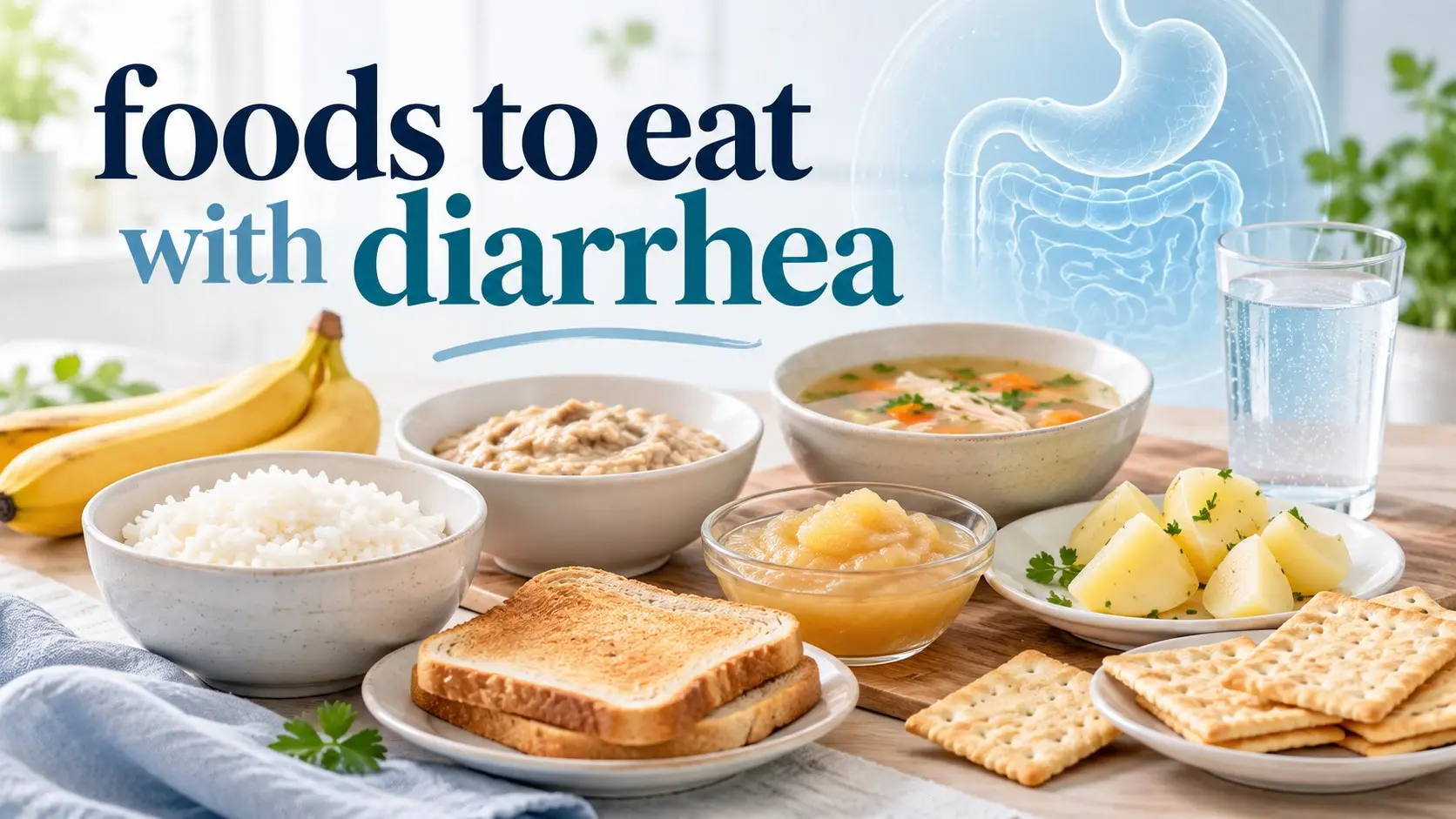
The best foods to eat with diarrhea are foods you can tolerate while you replace lost fluid, salt, and energy. White rice, potatoes, toast, bananas, oatmeal, lean chicken, eggs, cooked vegetables, crackers, and soup can all fit.
Quick answer: NHS guidance says to drink plenty of fluids and eat when you feel able. Fatty or spicy foods may make symptoms worse. NIDDK guidance goes further and says most people with acute diarrhea do not need fasting or a highly restricted diet. When appetite returns, you can usually start moving back toward your normal diet, even if stools are not completely normal yet.
This means the goal is not to find one magical food that “stops” diarrhea.
The real priorities are hydration, enough nutrition, foods that feel comfortable, and knowing when diarrhea is a sign of something that needs medical care.
Medical notice: This content is for general educational purposes and does not replace professional medical advice, diagnosis, or treatment. Consult an appropriately qualified healthcare professional for personal medical concerns. This article explains published guidance and does not provide a personal clinical assessment. Always consult qualified medical professionals for diagnosis and treatment of any health condition.
Table of Contents
- What NHS guidance actually says
- Do you need the BRAT diet?
- 16 foods to eat with diarrhea
- Foods and drinks to avoid temporarily
- Why hydration matters most
- Oral rehydration solution
- How much fibre to eat
- Dairy and temporary lactose intolerance
- What to eat after food poisoning
- What children should eat
- A simple one day recovery menu
- When to return to your normal diet
- When diarrhea needs medical care
- References and Sources
- Related NextFitLife guides
- About the author
- Frequently asked questions
What Does the NHS Say to Eat When You Have Diarrhea?
The main NHS message is simple.
Drink enough fluid to reduce the risk of dehydration, and eat when you feel able.
You do not have to force a large meal if you feel sick.
You also do not need to deliberately starve yourself.
NHS guidance says it may help to avoid fatty or spicy food while symptoms are active.
More detailed NHS dietitian guidance suggests temporary use of gentler foods such as:
- White bread
- White rice
- White pasta
- Cooked fruit
- Cooked vegetables
- Soft foods
- Smaller meals
When diarrhea settles, higher fibre foods can be added back gradually.
This is an important point because a temporary diarrhea diet should not become a permanent restricted diet without a medical reason.
Do You Need the BRAT Diet?
The old BRAT diet stands for:
- Bananas
- Rice
- Applesauce
- Toast
These foods can still be useful because they are simple and often easy to tolerate.
But they do not contain enough protein, healthy fat, vitamins, and minerals to make a complete long term diet.
Modern guidance does not say that adults or children with uncomplicated diarrhea must stay on BRAT foods for several days.
Use them as options, not as a rule.
16 Smart Foods to Eat With Diarrhea
1. White Rice
White rice is one of the easiest starches to use during an upset stomach.
It is low in fibre compared with brown rice and provides carbohydrate for energy.
Serve it plain or with a small amount of lean chicken, fish, or broth.
Avoid heavy butter, cream sauces, or large amounts of oil while symptoms are active.
2. Bananas
Bananas are soft, easy to eat, and provide potassium.
Potassium is one of the electrolytes lost when diarrhea is frequent.
Ripe bananas also contain soluble fibre, including pectin.
They can be eaten alone, sliced into oatmeal, or mashed.
3. Plain Toast
Plain white toast gives you carbohydrate without a lot of fibre or fat.
During active diarrhea, white bread may feel easier than dense wholegrain or seeded bread.
As symptoms improve, you can gradually return to your usual bread.
4. Boiled or Baked Potatoes
Potatoes provide carbohydrate and potassium.
During short term diarrhea, peeled potatoes may be easier to tolerate because removing the skin lowers the fibre content.
Boil, mash, or bake them without adding large amounts of butter, cream, cheese, or oil.
5. Oatmeal or Plain Porridge
Plain oatmeal is soft and contains soluble fibre, which holds water and can help make stool more formed.
Prepare it with water or a milk you tolerate.
If milk makes diarrhea worse, use water or a lactose free alternative temporarily.
6. Plain Crackers
Plain crackers can provide easy carbohydrate and a little salt.
They are useful when appetite is low or nausea makes a full meal difficult.
Choose simple crackers rather than heavily seasoned, very fatty, or high fibre varieties.
7. Chicken and Rice Soup
Soup can provide several things at once:
- Fluid
- Sodium
- Carbohydrate
- Protein
A light chicken and rice soup is often easier to tolerate than a rich creamy soup.
Broth can help replace some of the salt lost with frequent stools, although it is not the same as a properly mixed oral rehydration solution.
8. Skinless Chicken
Once you feel ready for more protein, skinless chicken is a practical choice.
Poach, bake, steam, or grill it rather than frying it.
Protein helps maintain muscle and supports normal recovery.
9. White Fish
Lean white fish is another gentle protein option.
Examples include cod, haddock, pollock, or similar lean fish.
Bake or steam it and keep added fat modest while your digestive system settles.
10. Eggs
Eggs provide high quality protein and several nutrients.
Boiled, poached, or lightly scrambled eggs may be easier than fried eggs cooked in a large amount of oil or butter.
There is no general rule saying eggs cause ordinary acute diarrhea.
11. Applesauce
Unsweetened applesauce is soft and easier to tolerate than a large portion of raw apple for some people.
It also contains pectin.
Choose unsweetened applesauce because large amounts of added sugar can worsen diarrhea in some people.
Apple juice is different. Its sugar load can make loose stools worse.
12. Cooked Carrots
Cooked carrots are softer and easier to digest than a large raw salad.
Boil or steam them until tender.
NHS dietitian advice often favours cooked vegetables rather than large servings of raw vegetables during active diarrhea.
13. Cooked Zucchini or Squash
Zucchini and squash are another way to add vegetables without making the meal too heavy.
Cook them well and keep the serving modest at first.
Remove tough skins or seeds if they seem to worsen symptoms.
14. Plain White Pasta or Noodles
Plain pasta and noodles provide energy and are relatively low in fibre when made from refined flour.
They can be useful during a short term lower fibre phase.
Choose a simple broth or light sauce instead of a rich cream sauce.
15. Plain Yogurt if You Tolerate Lactose
Yogurt can provide protein and calcium.
Some products also contain live cultures.
However, diarrhea can temporarily reduce your ability to digest lactose.
If yogurt makes bloating or diarrhea worse, stop it for now rather than forcing it because it is marketed as a probiotic food.
Probiotics are not a proven universal treatment for every case of diarrhea.
16. Soft Cooked Cereal
Plain cream of wheat, rice cereal, or another simple cooked cereal can be useful when appetite starts to return.
These foods provide carbohydrate without a large amount of rough fibre.
Keep toppings simple until symptoms settle.
16 Food Choices at a Glance
| Food | Why It May Be Easier | Simple Preparation |
|---|---|---|
| White rice | Low fibre carbohydrate | Plain or with broth |
| Banana | Soft and provides potassium | Ripe and plain |
| Toast | Simple starch | White toast with little added fat |
| Potatoes | Carbohydrate and potassium | Boiled, mashed, or baked |
| Oatmeal | Soft soluble fibre | Plain porridge |
| Crackers | Easy snack when appetite is low | Plain and unseasoned |
| Chicken soup | Fluid, salt, carbohydrate, and protein | Light broth based soup |
| Chicken | Lean protein | Poached, baked, or grilled |
| White fish | Lean protein | Steamed or baked |
| Eggs | Protein and nutrients | Boiled or poached |
| Applesauce | Soft and contains pectin | Unsweetened |
| Carrots | Soft when well cooked | Boiled or steamed |
| Zucchini | Gentle cooked vegetable | Cook until soft |
| White pasta | Low fibre starch | Plain or in broth |
| Yogurt | Protein when lactose is tolerated | Plain and unsweetened |
| Cooked cereal | Soft carbohydrate | Plain and lightly seasoned |
Foods and Drinks to Avoid Temporarily
You do not need to ban these foods forever.
During active diarrhea, they may worsen symptoms in some people.
1. Fried and Fatty Foods
Examples include:
- French fries
- Fried chicken
- Fatty burgers
- Pizza
- Chips
- Heavy cream sauces
- Large amounts of butter
NHS and NIDDK guidance both identify fatty foods as a common short term problem during diarrhea.
2. Very Spicy Food
Hot chilli, spicy sauces, and heavily seasoned meals can increase discomfort in some people.
NHS advice suggests avoiding spicy food if it worsens symptoms.
3. Alcohol
Alcohol can irritate the digestive system and contributes little to rehydration.
Avoid it until diarrhea has resolved and hydration is back to normal.
4. Too Much Caffeine
Coffee, energy drinks, strong tea, and caffeinated soft drinks can stimulate the bowel in some people.
Caffeine may make urgency more noticeable.
5. Sugary Drinks
Large amounts of sugar can draw water into the intestine.
Limit:
- Soda
- Sweetened juice drinks
- Energy drinks
- Very sweet sports drinks
Fruit juice can be especially troublesome when consumed in large amounts.
6. Sugar Alcohols
Sugar free does not always mean diarrhea friendly.
Sweeteners such as:
- Sorbitol
- Mannitol
- Xylitol
- Maltitol
can cause or worsen osmotic diarrhea.
They are common in sugar free sweets, gum, and some drinks.
7. Large Amounts of Rough Fibre
During very active diarrhea, bran, large salads, nuts, seeds, beans, and large portions of raw vegetables may increase stool volume, gas, or cramping.
A temporary lower fibre diet can feel more comfortable.
Do not stay on it forever unless your clinician or dietitian has given you a medical reason.
8. Dairy if Lactose Makes Symptoms Worse
A stomach infection can temporarily reduce lactase, the enzyme that digests lactose.
NIDDK notes that some people may have trouble digesting lactose for a month or longer after acute diarrhea.
If milk causes more gas, cramps, or watery stool, temporarily use lactose free options.
You do not need to avoid all dairy automatically if you tolerate it well.
The Most Important “Food” Is Actually Fluid
Diarrhea removes water and electrolytes from your body.
Dehydration is often the main immediate danger.
Useful fluids include:
- Water
- Oral rehydration solution
- Broth
- Other tolerated non alcoholic fluids
If nausea is present, take small frequent sips rather than a large glass all at once.
What Is Oral Rehydration Solution?
Oral rehydration solution, often called ORS, contains the right balance of water, glucose, and electrolytes to help the intestine absorb fluid.
It can be especially useful when diarrhea is frequent or dehydration risk is high.
NHS advice notes that a pharmacist may recommend oral rehydration powder that is mixed with water.
Follow the packet directions carefully.
More sugar does not make ORS work better.
In fact, a drink that is too sugary can worsen diarrhea.
Is a Sports Drink the Same as ORS?
No.
Sports drinks are made mainly for exercise related fluid loss.
They are not formulated in the same way as medical oral rehydration solutions.
For mild illness, many adults can stay hydrated with water, broth, and normal food.
When dehydration is a real concern, proper ORS is the better targeted option.
How Much Should You Drink?
There is no single eight glass or ten glass rule that fits everyone with diarrhea.
Your needs depend on:
- How often you have diarrhea
- Whether you are vomiting
- Your age
- Your body size
- Pregnancy
- Kidney or heart disease
- Other medical conditions
Drink regularly and watch for signs of dehydration.
People with heart failure, kidney disease, or other fluid restrictions should ask their clinician how much to drink.
Signs You May Be Getting Dehydrated
Watch for:
- Strong thirst
- Dry mouth
- Dark urine
- Urinating less often
- Dizziness
- Weakness
- Fatigue
- Sunken eyes
Confusion, fainting, very little urine, or severe weakness can signal more serious dehydration.
Should You Eat Low Fibre Food?
Sometimes, for a short time.
A January 2026 NHS dietitian resource from Guy's and St Thomas' recommends white bread, white rice, and white pasta rather than wholegrain options while diarrhea is active.
It also suggests cooking fruit and vegetables instead of eating them raw.
This can reduce rough material moving through the bowel.
However, this is a short term symptom strategy.
Once diarrhea improves, gradually return to your normal fibre intake unless you have a condition that requires a specific diet.
Should You Avoid All Fruit?
No.
Bananas and cooked or stewed fruits can be easier to tolerate.
The problem is often not fruit itself but:
- Very large portions
- Fruit juice
- Large amounts of fructose
- Tough skins or seeds during severe symptoms
Listen to your actual response rather than banning an entire healthy food group.
Should You Avoid All Vegetables?
No.
During active diarrhea, cooked carrots, zucchini, squash, or other soft vegetables may feel easier than large raw salads.
When symptoms improve, gradually return to your normal vegetables.
Long term vegetable restriction is not part of routine acute diarrhea recovery.
Does Yogurt Stop Diarrhea?
Not reliably.
Some yogurt products contain live cultures, but evidence for probiotic treatment depends on the specific strain, dose, condition, and patient.
NIDDK notes that experts do not consider probiotics a proven routine treatment for all diarrhea.
There is another issue.
Temporary lactose intolerance can appear after an intestinal infection, so dairy may actually make symptoms worse in some people.
Should You Take a Probiotic Supplement?
Do not assume you need one.
Probiotic supplements differ widely.
The word “probiotic” on a bottle does not mean every product has been proven to shorten your kind of diarrhea.
If diarrhea follows antibiotics, recurs often, or you have a weakened immune system, ask your clinician or pharmacist before adding a supplement.
What Should You Eat After Food Poisoning?
The same main rules apply.
Replace fluids first.
When your appetite returns, NIDDK says most people can go back toward their normal diet even if diarrhea has not completely stopped.
Gentle choices can include:
- Rice
- Potatoes
- Toast
- Oatmeal
- Bananas
- Eggs
- Chicken
- Soup
Avoid very fatty food, heavy alcohol intake, and large amounts of simple sugar while symptoms are active.
For more on causes, read the NextFitLife Causes of Diarrhea Guide.
What Should Children Eat With Diarrhea?
Children should not be kept without food for prolonged periods unless their medical team gives a specific reason.
NIDDK advises that children with acute diarrhea continue an age appropriate diet.
Infants should usually continue breast milk or formula.
The main risk in children is dehydration.
Ask a pediatric healthcare professional about oral rehydration solution when diarrhea is frequent, vomiting is present, or drinking is difficult.
Do not give adult antidiarrheal medicine to a child unless a healthcare professional says it is appropriate.
A Simple One Day Recovery Menu
This is a general example for an adult with uncomplicated acute diarrhea who can eat and drink. It is not a medical diet for chronic diarrhea, pregnancy complications, kidney disease, severe infection, or another medical condition.
| Meal | Example | Why It Fits |
|---|---|---|
| Breakfast | Plain oatmeal with ripe banana | Soft carbohydrate with soluble fibre and potassium |
| Mid morning | Plain crackers and water | Small snack when appetite is limited |
| Lunch | Chicken and white rice soup with cooked carrots | Fluid, sodium, carbohydrate, protein, and soft vegetables |
| Afternoon | Unsweetened applesauce or banana | Simple soft food |
| Dinner | Baked white fish with mashed potato and cooked zucchini | Lean protein with easy starch and cooked vegetables |
Drink regularly through the day.
If you are losing a lot of fluid, use ORS according to medical or pharmacy advice.
When Can You Return to a Normal Diet?
You do not need to wait until every stool is perfectly formed.
NIDDK says most people can return to their normal diet when appetite returns.
If you temporarily reduced fibre, add higher fibre foods back gradually as diarrhea settles.
A simple progression may look like this:
- Start with foods you tolerate.
- Add lean protein.
- Add cooked vegetables and fruit.
- Return to normal portions.
- Gradually bring back whole grains, beans, raw vegetables, nuts, and seeds.
There is no prize for staying on toast and rice longer than necessary.
What If Diarrhea Lasts for Weeks?
A short term recovery diet is not the answer to chronic diarrhea.
Diarrhea lasting four weeks or longer can be linked with:
- IBS
- Celiac disease
- Inflammatory bowel disease
- Microscopic colitis
- Bile acid diarrhea
- Lactose or fructose intolerance
- Medicine effects
- Pancreatic insufficiency
- Persistent infection
At that point, the goal is to find the cause rather than keep reducing your food choices.
Read the Causes of Diarrhea Guide for the wider differential.
Should You Take Loperamide?
Loperamide may help some adults with uncomplicated watery diarrhea.
It should not be treated as an automatic fix.
Avoid self treatment and seek advice when diarrhea is accompanied by:
- Blood
- High fever
- Severe abdominal pain
- Suspected invasive infection
Children need separate medical advice.
When Should You Get Medical Help?
Most mild diarrhea settles within a few days.
Seek medical advice sooner if you have:
- Blood or pus in the stool
- Black tar like stool
- Severe or constant abdominal pain
- High fever
- Repeated vomiting
- Signs of dehydration
- Six or more loose stools in one day
- Diarrhea that is not improving after about two days in an adult
- Recent antibiotics with significant watery diarrhea
- A weakened immune system
- Pregnancy with significant dehydration
Older adults and very young children can become dehydrated more quickly.
When Is Diarrhea an Emergency?
Seek urgent medical care for:
- Fainting
- New confusion
- Very little urine
- Severe weakness
- Signs of shock
- Large amounts of blood in the stool
- Severe constant abdominal pain
- Repeated vomiting with inability to keep fluids down
Food advice is not enough when severe dehydration or serious infection is possible.
Key Principles for Eating During Diarrhea
Food choices should support hydration and recovery without unnecessary restriction.
- You do not need to follow a restrictive BRAT diet for days. BRAT foods can be useful choices, but they are not a complete recovery diet.
- Fasting is not routine treatment. Most people can eat when they feel able and return toward their usual diet as appetite returns.
- Dairy does not need to be banned automatically. It should be reduced if temporary lactose intolerance makes symptoms worse.
- Raw fruit and vegetables are not permanently harmful. Cooked versions may simply be easier during active symptoms.
- Probiotics are not a universal diarrhea treatment. Evidence depends on the specific product and condition.
- Coconut water is not the same as medical ORS. Significant fluid loss needs the right balance of glucose and electrolytes.
- There is no fixed eight to ten cup rule for every person. Fluid needs depend on stool loss, vomiting, age, body size, and health conditions.
- Sports drinks are not equivalent to ORS.
- Low fibre eating is temporary. Fibre should usually return as symptoms improve.
- Persistent diarrhea needs diagnosis, not an endless bland diet.
Conclusion
The best foods to eat with diarrhea are not a secret cure. They are simply foods that can make eating easier while your bowel recovers and you replace lost fluid and electrolytes.
Start with fluids, eat when you feel able, choose gentle foods such as rice, bananas, potatoes, toast, oatmeal, lean chicken, eggs, cooked vegetables, and soup, and return toward your normal balanced diet as you improve. If diarrhea contains blood, causes significant dehydration or pain, or refuses to settle, stop focusing on food lists and get the cause checked.
References and Sources
The diet, hydration, and safety recommendations in this article were checked against current NHS, NIDDK, and major clinical resources. Full URLs are included below.
- NHS.
Diarrhoea and Vomiting.
Used for home management, fluid intake, eating when able, avoiding fatty or spicy foods, avoiding fruit juice and fizzy drinks, and dehydration guidance.
URL:
https://www.nhs.uk/symptoms/diarrhoea-and-vomiting/
- Guy's and St Thomas' NHS Foundation Trust.
Diet Recommendations to Manage Diarrhoea.
Last reviewed January 2026.
Used for white rice, white bread, white pasta, cooked fruit and vegetables, temporary lower fibre eating, smaller meals, and gradual fibre reintroduction.
URL:
https://www.guysandstthomas.nhs.uk/health-information/diet-recommendations-manage-diarrhoea
- National Institute of Diabetes and Digestive and Kidney Diseases.
Eating, Diet, and Nutrition for Diarrhea.
Used for return to a normal diet, avoiding routine fasting, caffeine, alcohol, excess sugar, sugar alcohols, fatty foods, and temporary lactose intolerance.
URL:
https://www.niddk.nih.gov/health-information/digestive-diseases/diarrhea/eating-diet-nutrition
- National Institute of Diabetes and Digestive and Kidney Diseases.
Treatment of Diarrhea.
Used for fluids, electrolytes, oral rehydration, antidiarrheal medicines, children, probiotics, and return to normal eating.
URL:
https://www.niddk.nih.gov/health-information/digestive-diseases/diarrhea/treatment
- Mayo Clinic.
Diarrhea: Diagnosis and Treatment.
Updated July 18, 2026.
Used for hydration, electrolyte replacement, gentle foods, low fibre choices, temporary avoidance of fatty foods, and medicine safety.
URL:
https://www.mayoclinic.org/diseases-conditions/diarrhea/diagnosis-treatment/drc-20352246
- Cleveland Clinic.
What to Eat When You Have Diarrhea.
Used for practical food choices such as bananas, rice, applesauce, toast, broth, potatoes, and lean protein, with emphasis on hydration and short term symptom comfort.
URL:
https://health.clevelandclinic.org/what-to-eat-when-you-have-diarrhea
Continue With NextFitLife Digestive Health Guides
These guides cover the causes of diarrhea, food triggers, bloating, hydration, gut health, and related digestive symptoms.
Diarrhea Guides
- Causes of Diarrhea: 18 Critical Triggers to Know
- Stomach Pain, Gurgling, Gas, and Diarrhea
- How Long Does Diarrhea Last With COVID?
- Bali Belly and Traveler's Diarrhea
Gut Health Hub
About the Author
Adel Galal is the founder and lead writer of NextFitLife. He researches and writes about digestive health, nutrition, fitness, pancreatic health, metabolic health, sleep, wellness, and healthy aging.
His approach is to compare popular health advice with current medical and public health guidance, correct outdated claims, and turn the useful evidence into practical steps readers can understand.
For diarrhea nutrition, that means putting hydration first, avoiding unnecessary fasting, using gentle foods when they help, and returning to normal balanced eating rather than staying on an overly restrictive diet.
This content is for general educational purposes and does not replace professional medical advice, diagnosis, or treatment. Consult an appropriately qualified healthcare professional for personal medical concerns. This article explains published guidance and does not provide a personal clinical assessment. Always consult qualified medical professionals for diagnosis and treatment of any health condition.
Learn more about Adel Galal, NextFitLife, and the site's research process on the NextFitLife About Us page.
Frequently Asked Questions About Foods to Eat With Diarrhea
What are the best foods to eat with diarrhea?
Useful foods can include white rice, bananas, toast, peeled potatoes, oatmeal, plain crackers, chicken soup, skinless chicken, white fish, eggs, applesauce, cooked carrots, cooked zucchini, white pasta, yogurt if tolerated, and plain cooked cereals.
What does the NHS recommend eating with diarrhea?
NHS guidance says to drink plenty of fluids and eat when you feel able. It may help to avoid fatty or spicy foods. NHS dietitian resources also suggest temporary use of lower fibre foods such as white bread, white rice, white pasta, and cooked fruit and vegetables.
Should I stop eating if I have diarrhea?
Usually no. Most experts do not recommend routine fasting for acute diarrhea. When your appetite returns, you can normally start moving back toward your regular diet.
Is the BRAT diet still recommended?
Bananas, rice, applesauce, and toast can be easy to tolerate, but they are not a complete diet. They can be part of short term recovery rather than the only foods you eat for several days.
Is rice good for diarrhea?
White rice is a low fibre source of carbohydrate and is often well tolerated during diarrhea. It can be eaten plain or with broth and lean protein.
Are bananas good for diarrhea?
Bananas are soft, provide potassium, and contain soluble fibre. They are a practical food when appetite is limited.
Are potatoes good for diarrhea?
Yes. Peeled boiled, mashed, or baked potatoes provide carbohydrate and potassium. Avoid large amounts of butter, cream, cheese, or oil while symptoms are active.
Can I eat eggs with diarrhea?
Yes, if you tolerate them. Boiled or poached eggs provide protein without requiring a large amount of added fat.
Can I eat chicken with diarrhea?
Yes. Skinless chicken that is boiled, poached, baked, or grilled can provide useful protein. Fried chicken may be harder to tolerate because of the high fat content.
Can I eat yogurt with diarrhea?
You can if you tolerate lactose. Some people become temporarily lactose intolerant after acute diarrhea, so yogurt or milk may worsen gas and loose stools for a period of time.
Should I avoid dairy completely?
No. Avoid or reduce lactose containing dairy if it clearly worsens symptoms. Temporary lactose intolerance can follow an intestinal infection, but not everyone develops it.
What drinks should I avoid with diarrhea?
Large amounts of alcohol, caffeine, very sugary drinks, some fruit juices, and drinks containing sugar alcohols can worsen symptoms in some people.
What is the best drink for diarrhea?
Water is useful for mild fluid loss. Oral rehydration solution is designed to replace water and electrolytes when diarrhea is frequent or dehydration risk is higher. Broth can also provide fluid and sodium.
Is a sports drink the same as oral rehydration solution?
No. Sports drinks are designed mainly for exercise. Medical oral rehydration solutions contain a more specific balance of glucose and electrolytes for intestinal fluid absorption.
Should I avoid fibre when I have diarrhea?
You may temporarily tolerate lower fibre foods better during active diarrhea. Very high fibre foods can increase stool bulk and gas. Return to your usual fibre intake gradually as symptoms improve.
Can applesauce help diarrhea?
Unsweetened applesauce is soft and contains pectin, so some people find it easy to tolerate. Large amounts of apple juice are more likely to worsen diarrhea because of their sugar content.
When can I eat normally again?
You can usually start returning to your normal diet when your appetite returns and foods are tolerated. You do not need to wait until every stool is completely normal.
When should diarrhea be checked by a doctor?
Seek medical advice for blood or black stool, severe pain, high fever, repeated vomiting, dehydration, very frequent stools, significant diarrhea after antibiotics, or diarrhea that is not improving after about two days in an adult.
When is diarrhea an emergency?
Seek urgent medical care for fainting, confusion, severe dehydration, very little urine, severe constant abdominal pain, large amounts of blood, black stool, shock symptoms, or inability to keep fluids down.

Health & wellness writer with 30+ years of experience in nutrition, fitness, and healthy aging. Founder of NextFitLife.com — evidence-based health guidance.